 the State Historical Society of Missouri
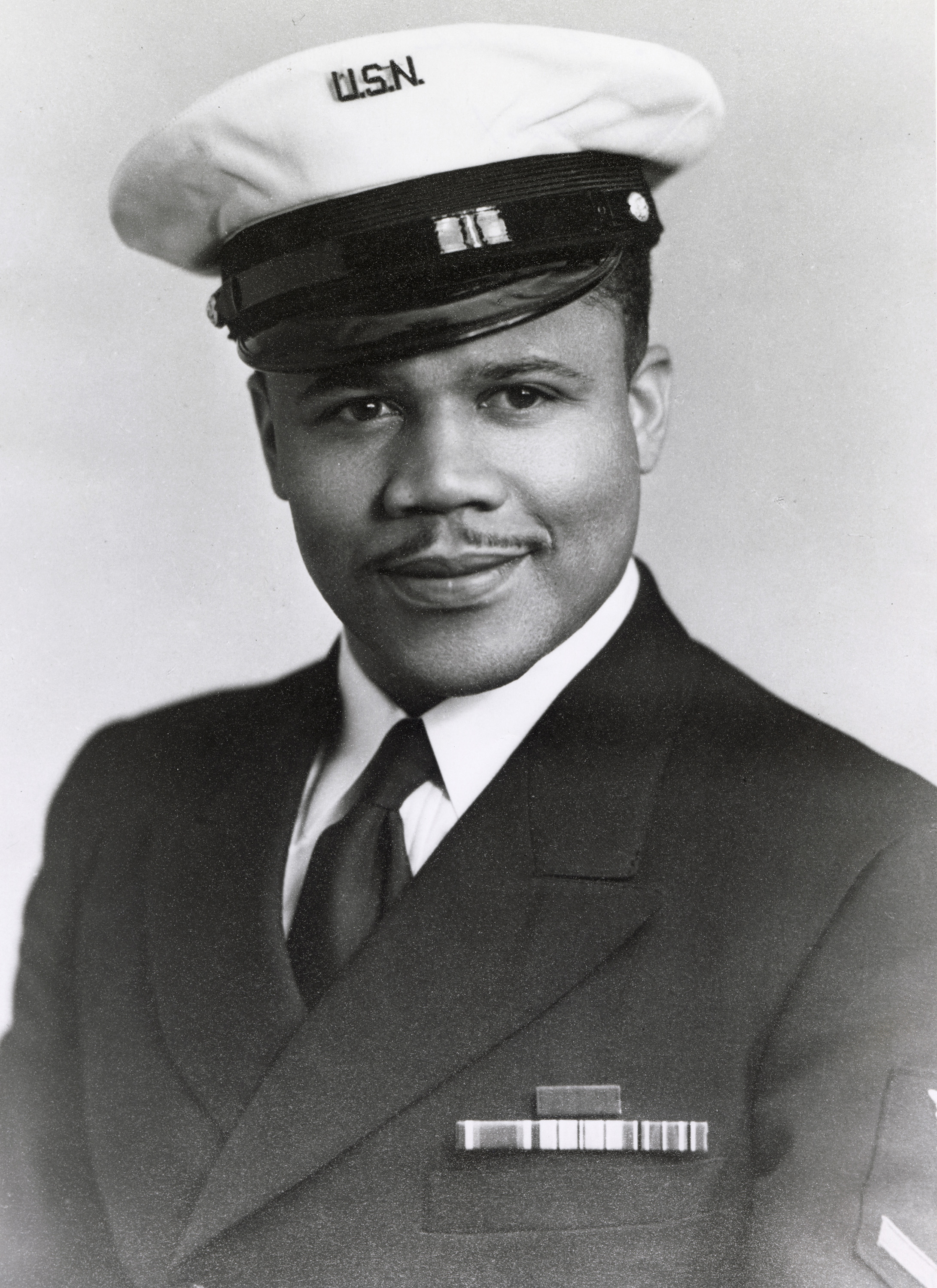
![Spencer T. Banks. [Missouri Historical Society, St. Louis, Photographs and Prints Collection, N18254]](/sites/default/files/styles/article_header_image/public/2025-12/1.-spencer-t.-banks.jpg?h=4ae44b81&itok=4DO0hRak "Spencer T. Banks. [Missouri Historical Society, St. Louis, Photographs and Prints Collection, N18254]")
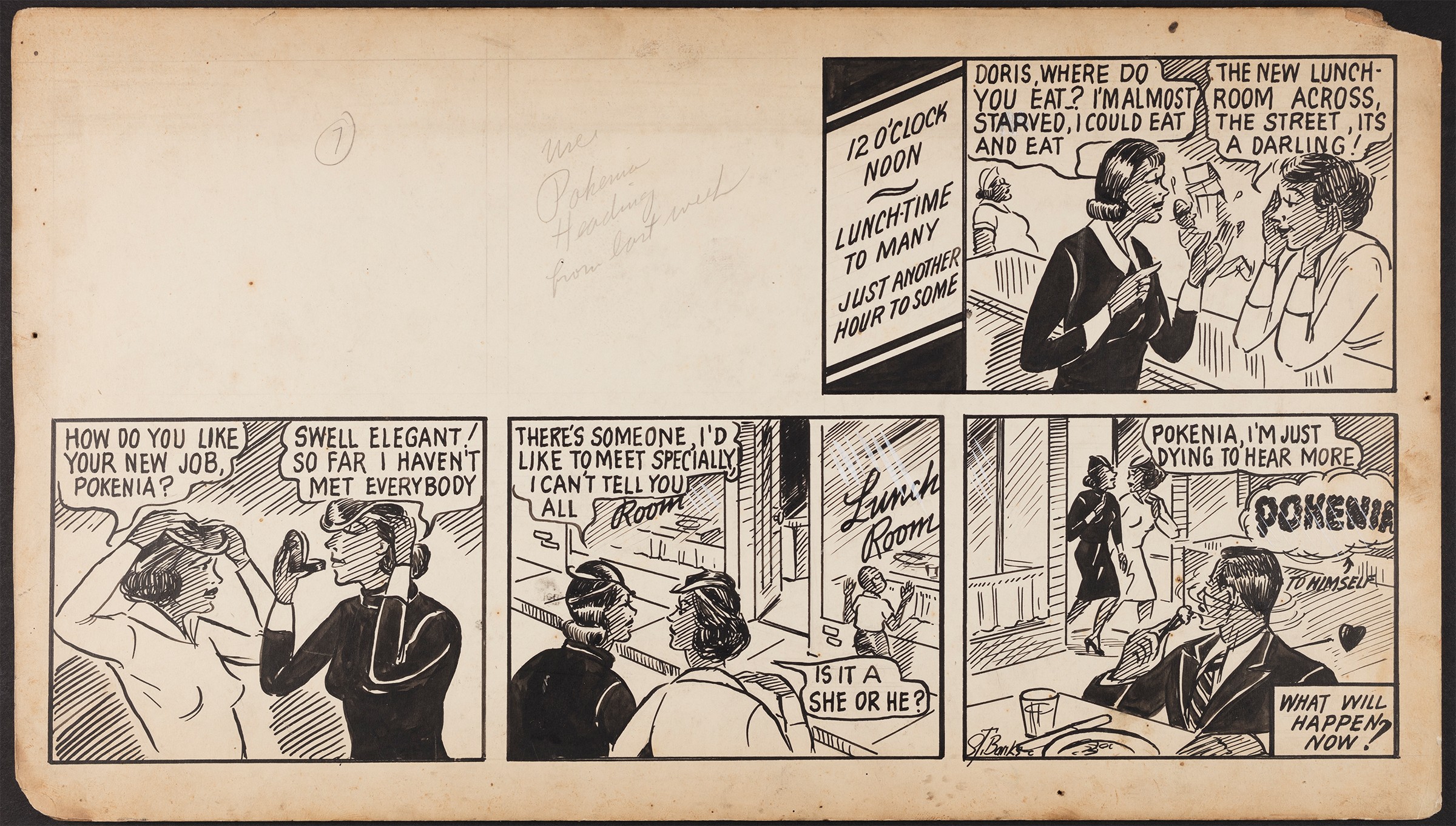
![Pokenia. [Courtesy of Pokenia Comic Strip Collection, Dowd Illustration Research Archive, Julian Edison Department of Special Collections, Washington University Libraries]](/sites/default/files/styles/article_header_image/public/2025-12/2.-spencer-t.-banks.jpg?itok=QTpnpeRx "Pokenia. [Courtesy of Pokenia Comic Strip Collection, Dowd Illustration Research Archive, Julian Edison Department of Special Collections, Washington University Libraries]")
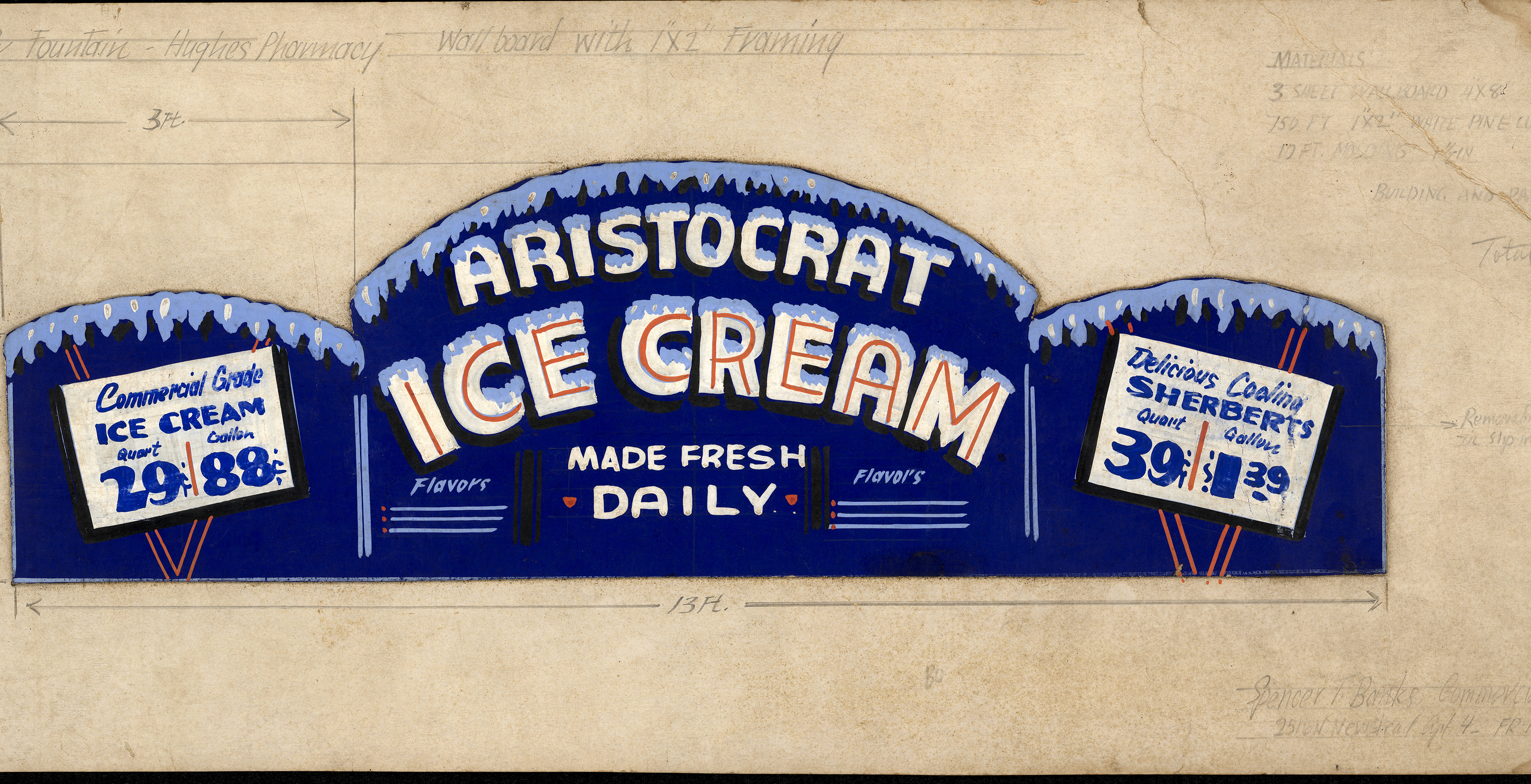
![Commercial art that Banks created for Aristocrat Ice Cream. [State Historical Society of Missouri, Art Collection]](/sites/default/files/styles/article_header_image/public/2025-12/3.-spencer-t.-banks.jpg?itok=Dh_PPtrH "Commercial art that Banks created for Aristocrat Ice Cream. [State Historical Society of Missouri, Art Collection]")

![Banks at work in his Vet’s Sign and Art Shop on September 17, 1964. [State Historical Society of Missouri, Bennie G. Rodgers Collection, S0629]](/sites/default/files/styles/article_header_image/public/2025-12/4.-spencer-t.-banks.jpg?itok=7l6gfulm "Banks at work in his Vet’s Sign and Art Shop on September 17, 1964. [State Historical Society of Missouri, Bennie G. Rodgers Collection, S0629]")

![Banks created this pencil sketch for a local YMCA circus poster in 1934. [Missouri Historical Society, St. Louis, MHS Objects Collection, 2023-006-0003]](/sites/default/files/styles/article_header_image/public/2025-12/5.-spencer-t.-banks.jpg?itok=gdPcJJHm "Banks created this pencil sketch for a local YMCA circus poster in 1934. [Missouri Historical Society, St. Louis, MHS Objects Collection, 2023-006-0003]")
Spencer Thornton Banks was a St. Louis artist and designer born in Clarksdale, Mississippi, in 1912, the only child of Ellis and Elenora (Perkins) Banks. In 1926 the family moved to St. Louis, where Ellis worked as a painter and years later joined his son Spencer’s sign and art business. During his teenage years, young Spencer attended St. Louis’s segregated Sumner High School, excelling in art under the mentorship of Grace L. Nichols and Frederick C. Alston. He later credited E. Simms Campbell, the renowned Esquire magazine artist from St. Louis, as a major influence. Spencer Banks was so advanced as an artist in high school that he was accepted into the city’s prestigious Urban League Art Exhibition of Negro Art while still a teenager.
After graduating from Sumner, Banks enrolled in the Federal Schools, Inc., a correspondence art school headquartered in Minneapolis, and took courses at the People’s Art Center in St. Louis. Throughout the 1930s, he worked as a freelance artist, creating promotional art and illustration for Poro College, Homer G. Phillips Hospital, and various other local businesses. He regularly took part in the St. Louis Urban League’s Annual Exhibition of Negro Art, winning numerous awards. In 1939 the exhibition moved to the St. Louis City Museum, where Banks’s work gained a broader audience.
Between 1935 and 1938, Banks met Sara Jane Richardson, who was born in Richmond, Indiana, in 1913. Sara excelled academically, graduating with honors from Richmond’s integrated Morton High School in 1932. After moving to St. Louis, she attended the African American nursing school at City Hospital No. 2, earning her degree in 1935. In 1937 this nursing school moved to the newly constructed Black medical facility, Homer G. Phillips Hospital. During this period Sara had begun working for the St. Louis Visiting Nursing Association. As a proud alumna of the new hospital’s nursing program, she was named “Miss Homer G. Phillips” in a scholarship fund-raising event in 1940. She later took advanced nursing courses and worked as a nurse educator at Homer G. Phillips School of Nursing, retiring in 1977.
Sara Richardson likely met Spencer Banks while working as a young nurse in St. Louis. By November 1938, they were together, as shown by the St. Louis Argus’s recognition of their “couple’s costume” at that year’s Urban League Artist’s Ball. The following year, Banks began work on the comic strip Pokenia, featuring a smart and stylish Black professional woman, possibly inspired by Sara.
Pokenia was likely the first published newspaper strip to feature a Black woman as its heroine. Banks created the cartoon with collaborator Murry Thompson and set Pokenia in a Black-owned department store, where coworkers Pokenia and Eddie fall in love and have various adventures. Nineteen of Banks’s original ink drawings for the strip are preserved in the Special Collections of Washington University Libraries. Later episodes ran in the Black-owned Argus from September 1939 to May 1940, alongside another strip developed by Banks and Thompson titled Poogie.
Spencer Banks and Sara Richardson were engaged in the spring of 1940, and they married in Sara’s hometown of Richmond, Indiana, on July 7 of that year. The nationally known African American newspaper New Pittsburgh Courier named Sara as “Bride of the Month” for July 1940, and the couple’s wedding picture was published in that paper. The newlyweds returned soon after the wedding to St. Louis, where Sara continued her nursing career and Spencer kept working as an artist and graphic designer.
During World War II, Spencer Banks was a seaman in the US Naval Reserve; he served from 1942 to 1946. He was stationed at Lambert Field near St. Louis until 1944 and was able to still be active in the St. Louis art scene. He took part in the annual Urban League exhibitions and received a one-man show at the People’s Art Center in 1944. Banks also served as the art editor of the Lambert Field Station’s publication, the Navy Blues, and in this role he created the cartoon character Joe Boot. During Banks’s naval service, he traveled to Japan, Alaska, Hawaii, and Washington state, where he created a mural for the Seattle, Washington, Naval Station.
After the war, Banks taught at the Washington Technical Veterans School and in 1948 began his own business, the Veteran’s Sign and Art Shop. At this shop, Banks provided professional training and experience to young veterans and artists in his community. The business started small, but by 1950 it had grown to occupy a prominent storefront on Easton Avenue (now Martin Luther King Drive) in the Black business district known as “The Ville.”
Throughout the 1950s and 1960s, Banks was a well-known figure in St. Louis. In 1961 the St. Louis Argus’s theatrical editor, Chick Finney, identified him as “one of St. Louis’s most popular artists,” praising his “unique talent, business ability, leadership, and untiring efforts towards aspiring amateurs.” During this period, Banks painted portraits of many prominent St. Louisans and often contributed his artistic talents to nonprofit groups. He designed posters and signs for the local YMCA Circus and provided scenery and decorations for major community events. In addition, he conducted art demonstrations to raise money for the People’s Art Center and took part in events at Vashon and Sumner High Schools advising students interested in fine arts careers.
By the early 1970s, Banks had closed his art business, but he still created art for himself and community causes. Among these works were several posters protesting the controversial closing of Homer G. Phillips Hospital in 1979. The artist died at the age of seventy on January 21, 1983. He was buried in Jefferson Barracks National Cemetery in St. Louis; his wife of more than forty years, Sara Jane Banks, died in 1999 and was buried beside him.
“One Man Show.” St. Louis Argus, October 6, 1944, 4.
“Recognition Won in Exhibit at the Art Museum.” St. Louis Argus, November 17, 1939, 1.
“Spencer T. Banks, 70; Was Artist, Teacher.” St. Louis Post-Dispatch, January 25, 1983, 5C.
Published December 22, 2025; Last updated January 7, 2026
Creative Commons Attribution-NonCommerical-ShareAlike 4.0 International (CC BY-NC-SA 4.0)