 the State Historical Society of Missouri
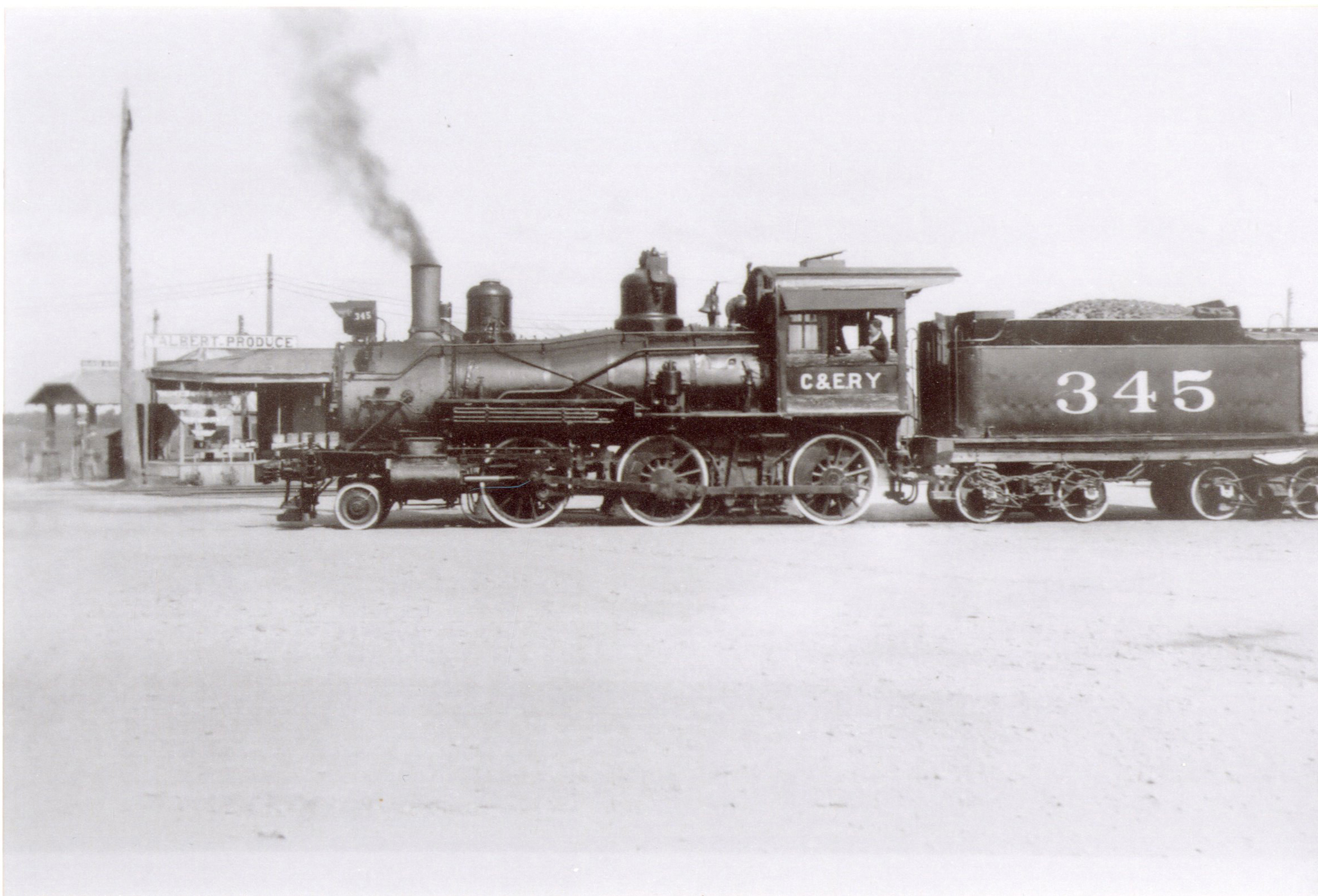
![The Cassville and Exeter’s Railway engine number 345 was purchased in 1935. [State Historical Society of Missouri Rolla Research Center, Cassville & Exeter Railway Company Records, R0421]](/sites/default/files/styles/article_header_image/public/2026-06/1.-dinky.png?itok=e7Ukc-G1 "The Cassville and Exeter’s Railway engine number 345 was purchased in 1935. [State Historical Society of Missouri Rolla Research Center, Cassville & Exeter Railway Company Records, R0421]")
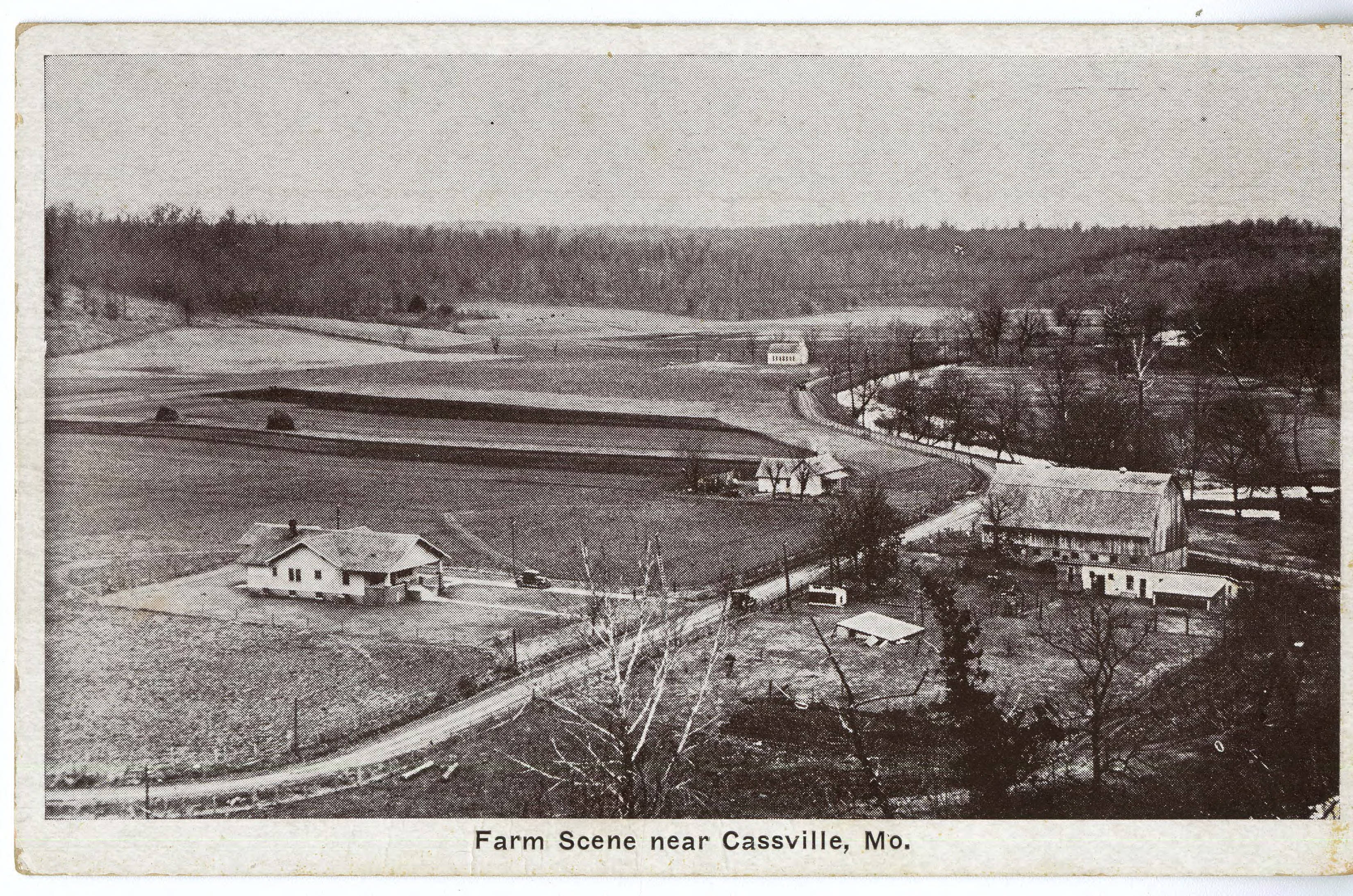
![Cassville, the seat of Barry County, was surrounded by livestock and fruit farms. The nearest railroad, however, was at Exeter, which made transporting their produce and livestock to market a challenge until the introduction of the Cassville and Western Railway in 1896. [State Historical Society of Missouri Rolla Research Center, John F. Bradbury Jr. Postcard Collection, R1551]](/sites/default/files/styles/article_header_image/public/2026-06/2.-dinky.jpg?itok=SlyjtBTe "Cassville, the seat of Barry County, was surrounded by livestock and fruit farms. The nearest railroad, however, was at Exeter, which made transporting their produce and livestock to market a challenge until the introduction of the Cassville and Western Railway in 1896. [State Historical Society of Missouri Rolla Research Center, John F. Bradbury Jr. Postcard Collection, R1551]")
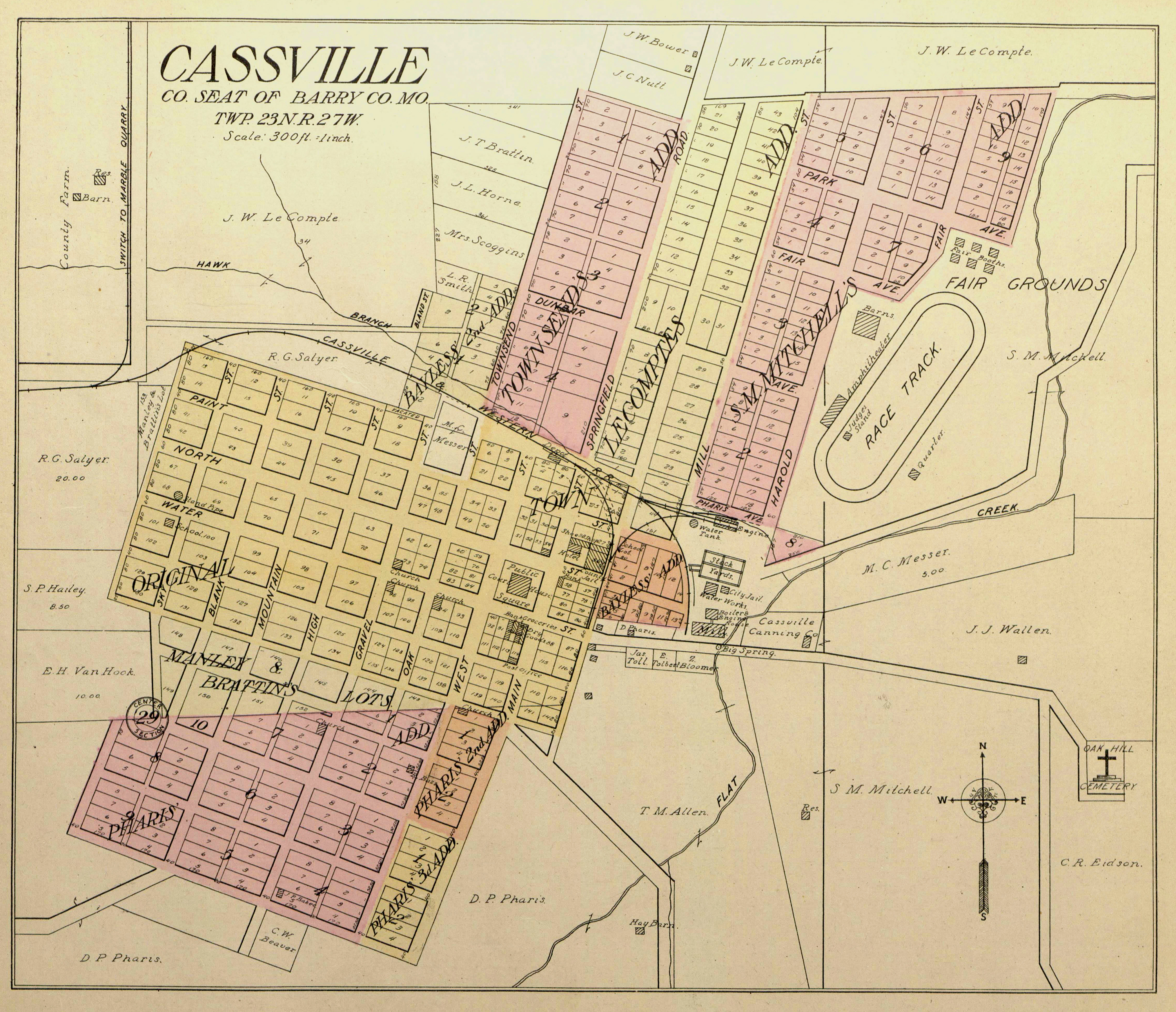
![A plat map of Cassville, Missouri, showing the Cassville and Western line. [Standard Atlas of Barry County, Missouri, 1909]](/sites/default/files/styles/article_header_image/public/2026-06/3.-dinky.jpg?itok=FM9hqgZO "A plat map of Cassville, Missouri, showing the Cassville and Western line. [Standard Atlas of Barry County, Missouri, 1909]")
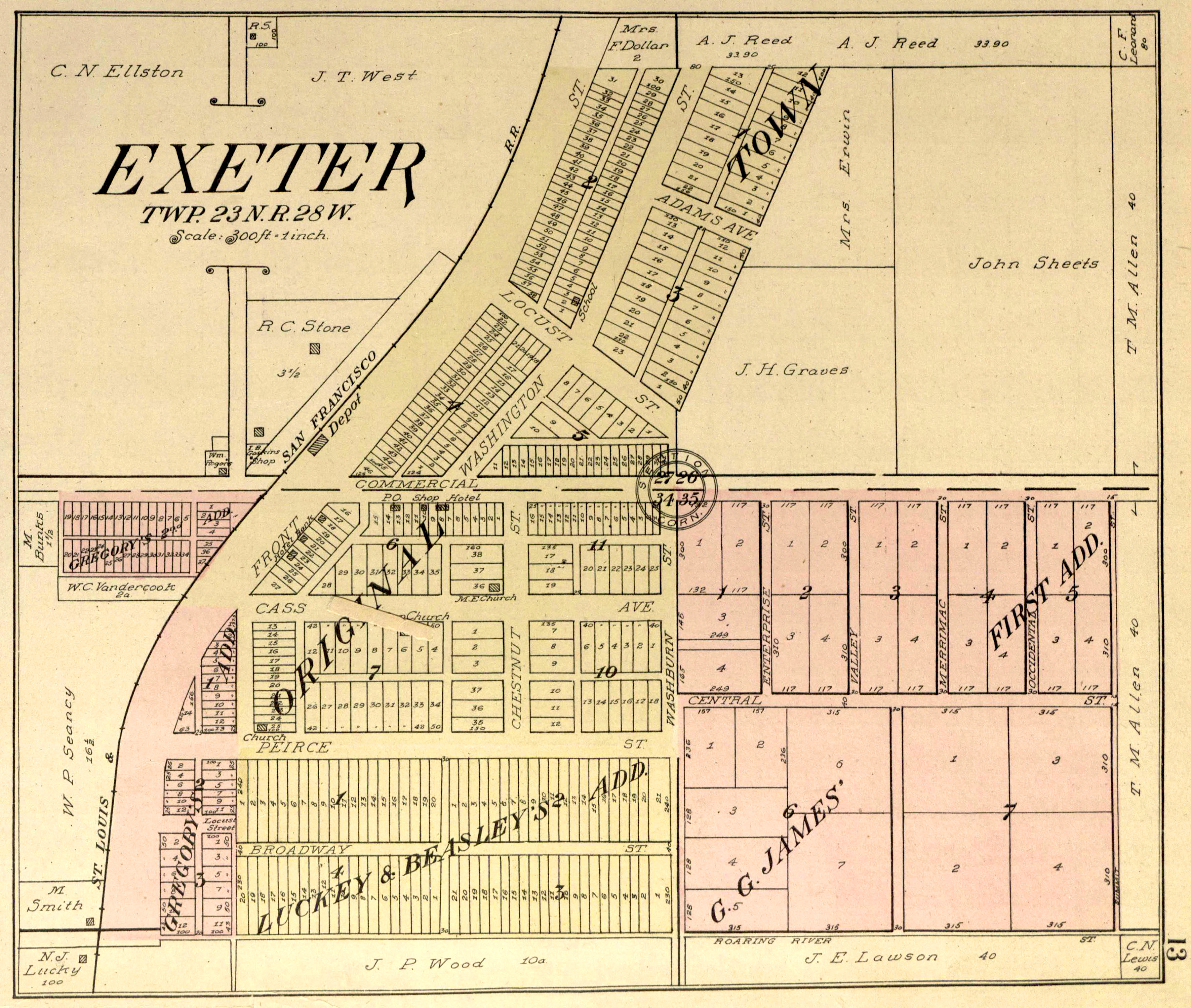
![Exeter, Missouri. [Standard Atlas of Barry County, Missouri, 1909]](/sites/default/files/styles/article_header_image/public/2026-06/4.-dinky.jpg?itok=l3QK3iZ3 "Exeter, Missouri. [Standard Atlas of Barry County, Missouri, 1909]")
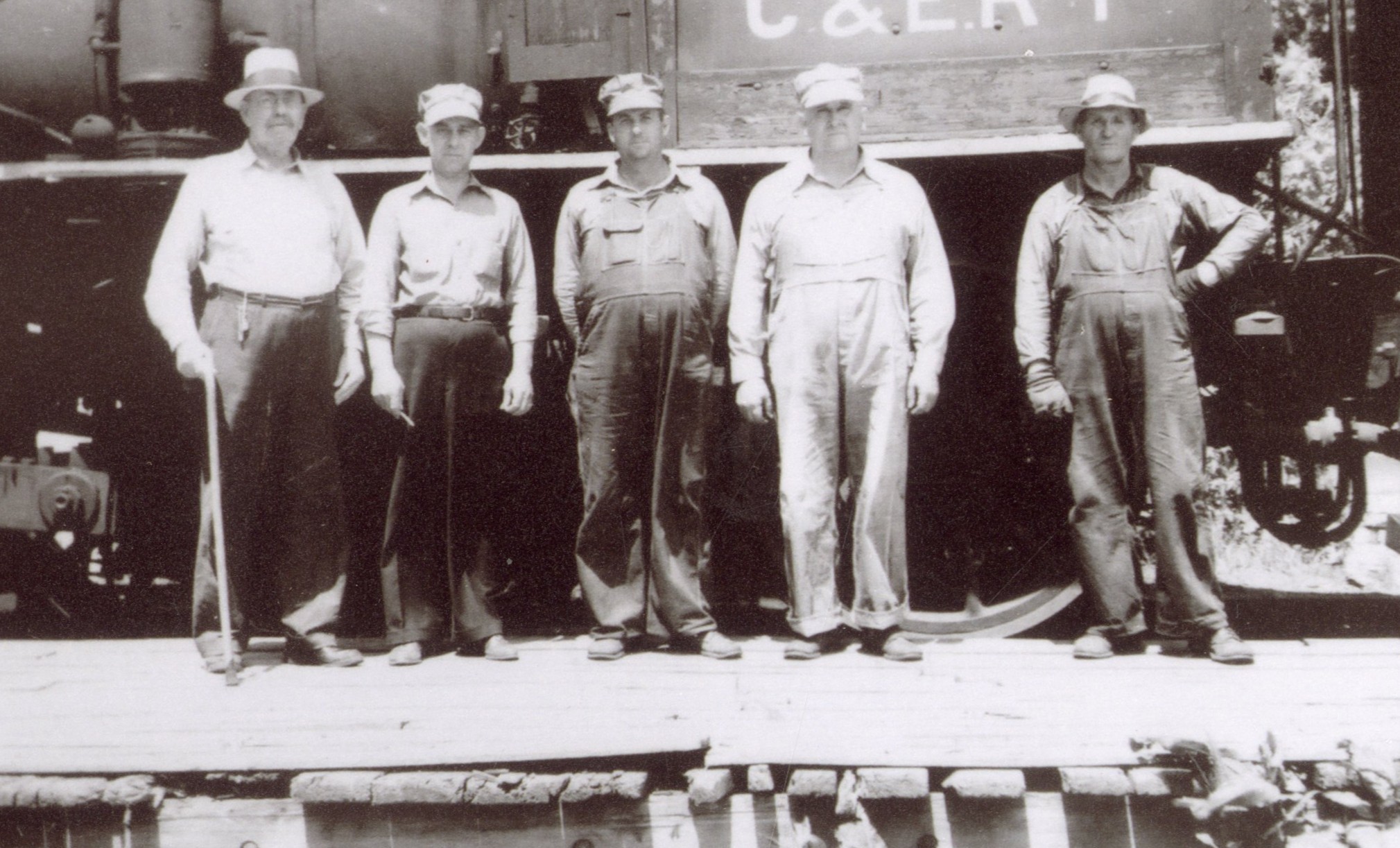
![The Cassville and Exeter’s operations crew in the 1930s. From left to right: Dave Dingler, Emons Hawke, Cecil Hodge, Bert Anderson, and Buck Crane. [State Historical Society of Missouri Rolla Research Center, Cassville & Exeter Railway Company Records, R0421]](/sites/default/files/styles/article_header_image/public/2026-06/5.-dinky.jpg?itok=zbROgZQY "The Cassville and Exeter’s operations crew in the 1930s. From left to right: Dave Dingler, Emons Hawke, Cecil Hodge, Bert Anderson, and Buck Crane. [State Historical Society of Missouri Rolla Research Center, Cassville & Exeter Railway Company Records, R0421]")
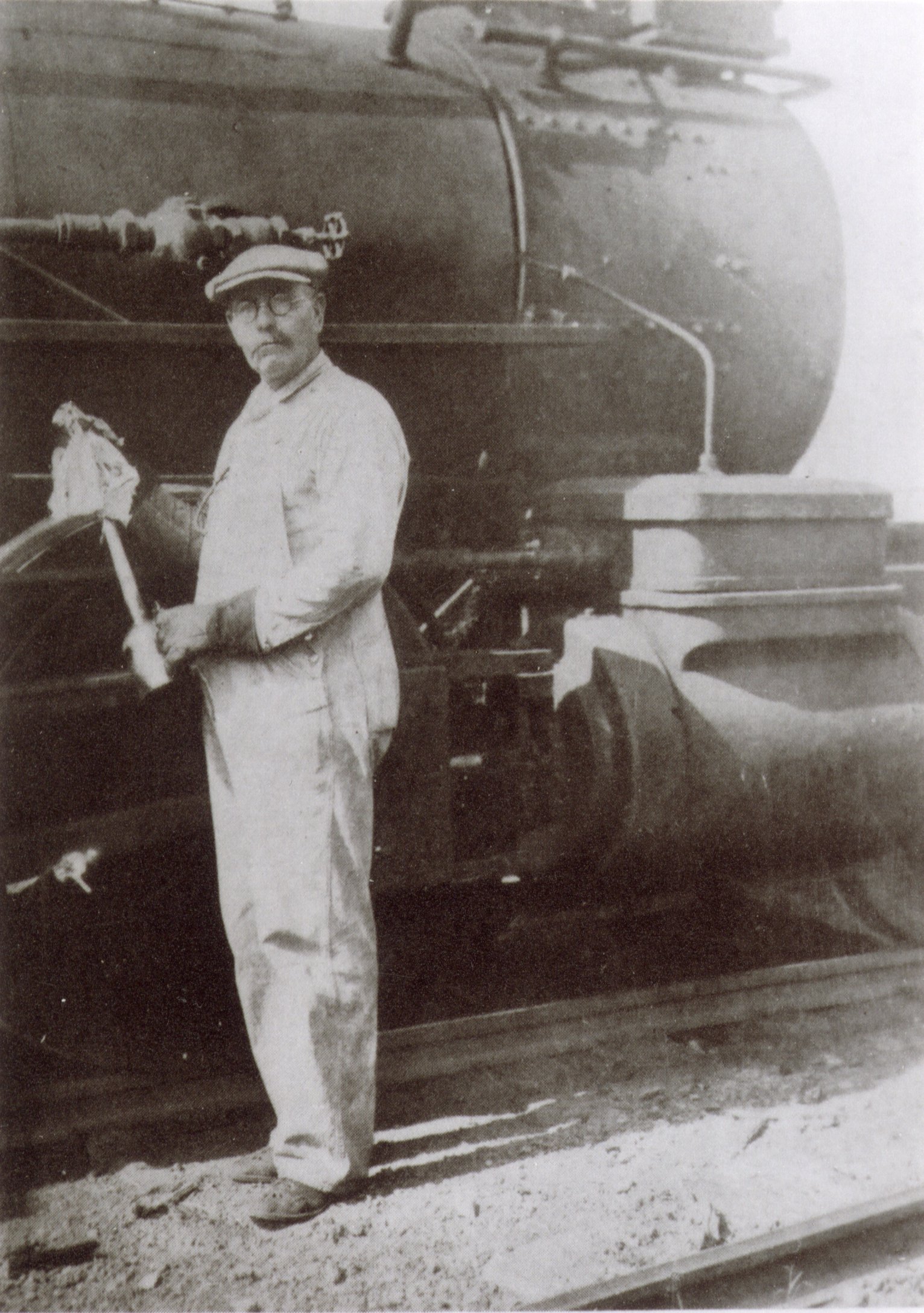
![Dave Dingler working on “Maryann,” the line’s locomotive. Dingler was president, locomotive engineer, and railroad mechanic for the C&E railroad. [State Historical Society of Missouri Rolla Research Center, Cassville & Exeter Railway Company Records, R0421]](/sites/default/files/styles/article_header_image/public/2026-06/6.-dinky.jpg?itok=b9hrHZhT "Dave Dingler working on “Maryann,” the line’s locomotive. Dingler was president, locomotive engineer, and railroad mechanic for the C&E railroad. [State Historical Society of Missouri Rolla Research Center, Cassville & Exeter Railway Company Records, R0421]")
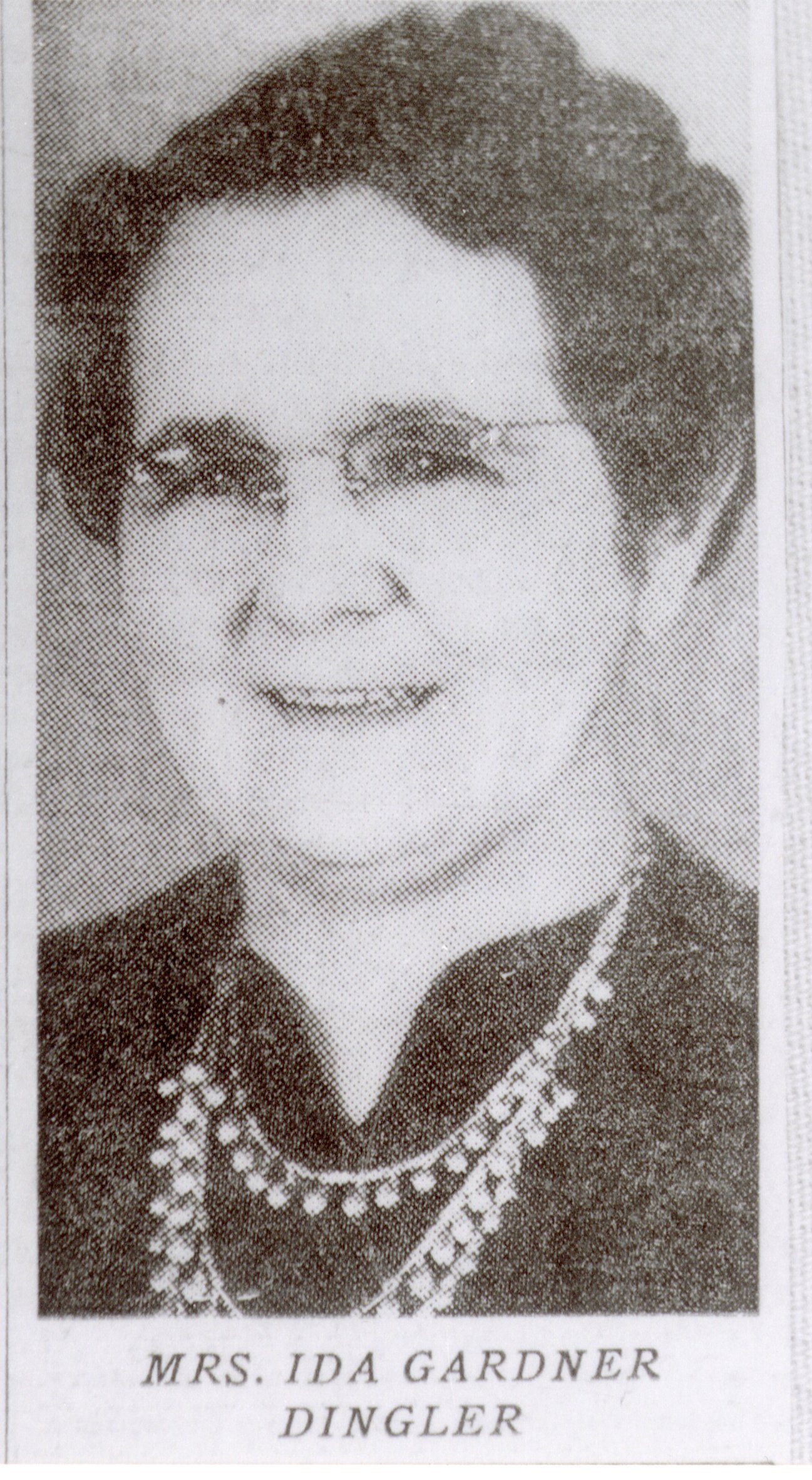
![Ida Gardner Dingler, the wife of David Dingler, served as the second president of the C&E after his untimely death. [State Historical Society of Missouri Rolla Research Center, Cassville & Exeter Railway Company Records, R0421]](/sites/default/files/styles/article_header_image/public/2026-06/7.-dinky.jpg?itok=bwcpQBaR "Ida Gardner Dingler, the wife of David Dingler, served as the second president of the C&E after his untimely death. [State Historical Society of Missouri Rolla Research Center, Cassville & Exeter Railway Company Records, R0421]")
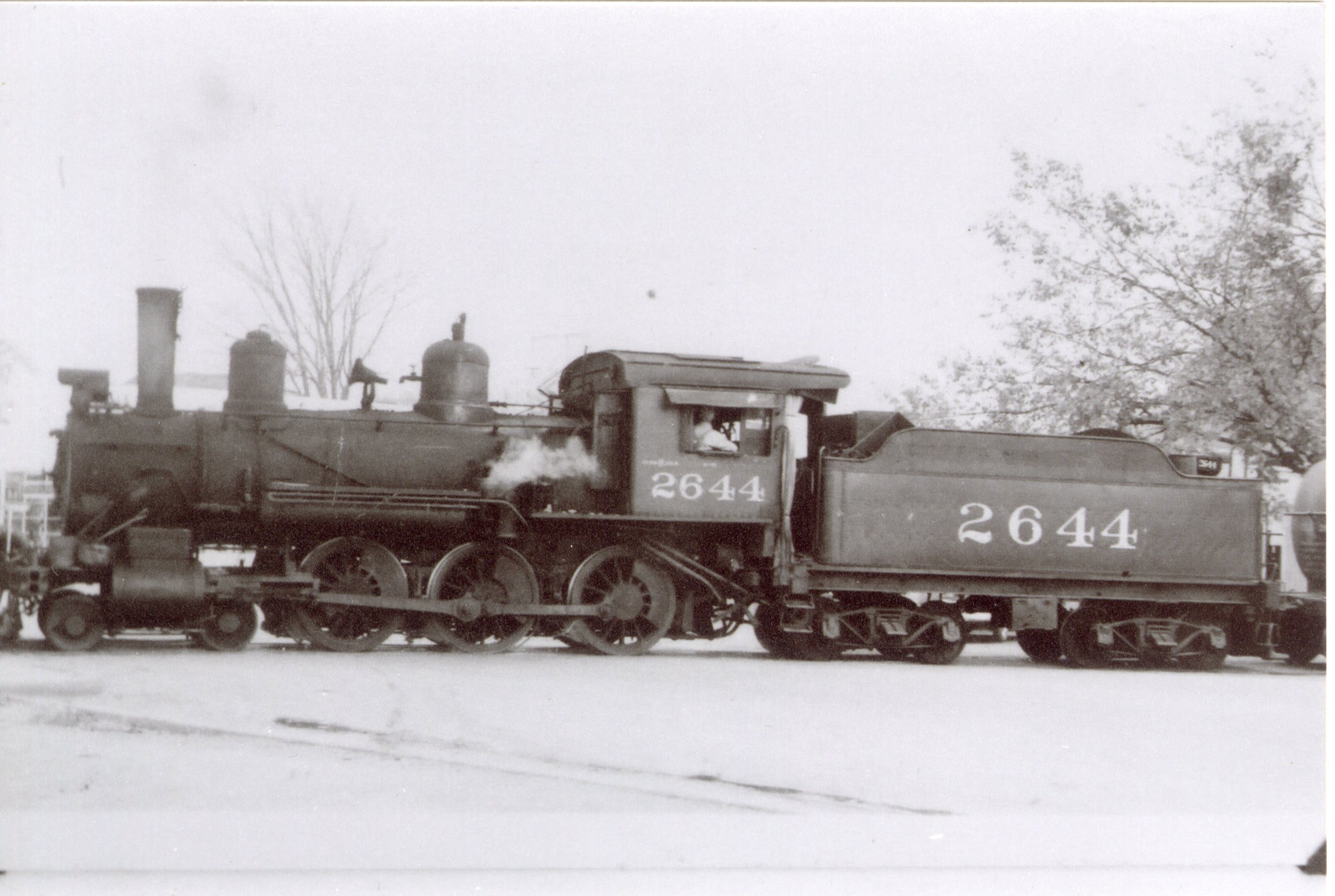
![The 2644, a fifty-ton gas/electric locomotive, was the last rolling stock owned by C&E when it closed in 1956. [State Historical Society of Missouri Rolla Research Center, Cassville & Exeter Railway Company Records, R0421]](/sites/default/files/styles/article_header_image/public/2026-06/8.-dinky.jpg?itok=ry3tTQEM "The 2644, a fifty-ton gas/electric locomotive, was the last rolling stock owned by C&E when it closed in 1956. [State Historical Society of Missouri Rolla Research Center, Cassville & Exeter Railway Company Records, R0421]")
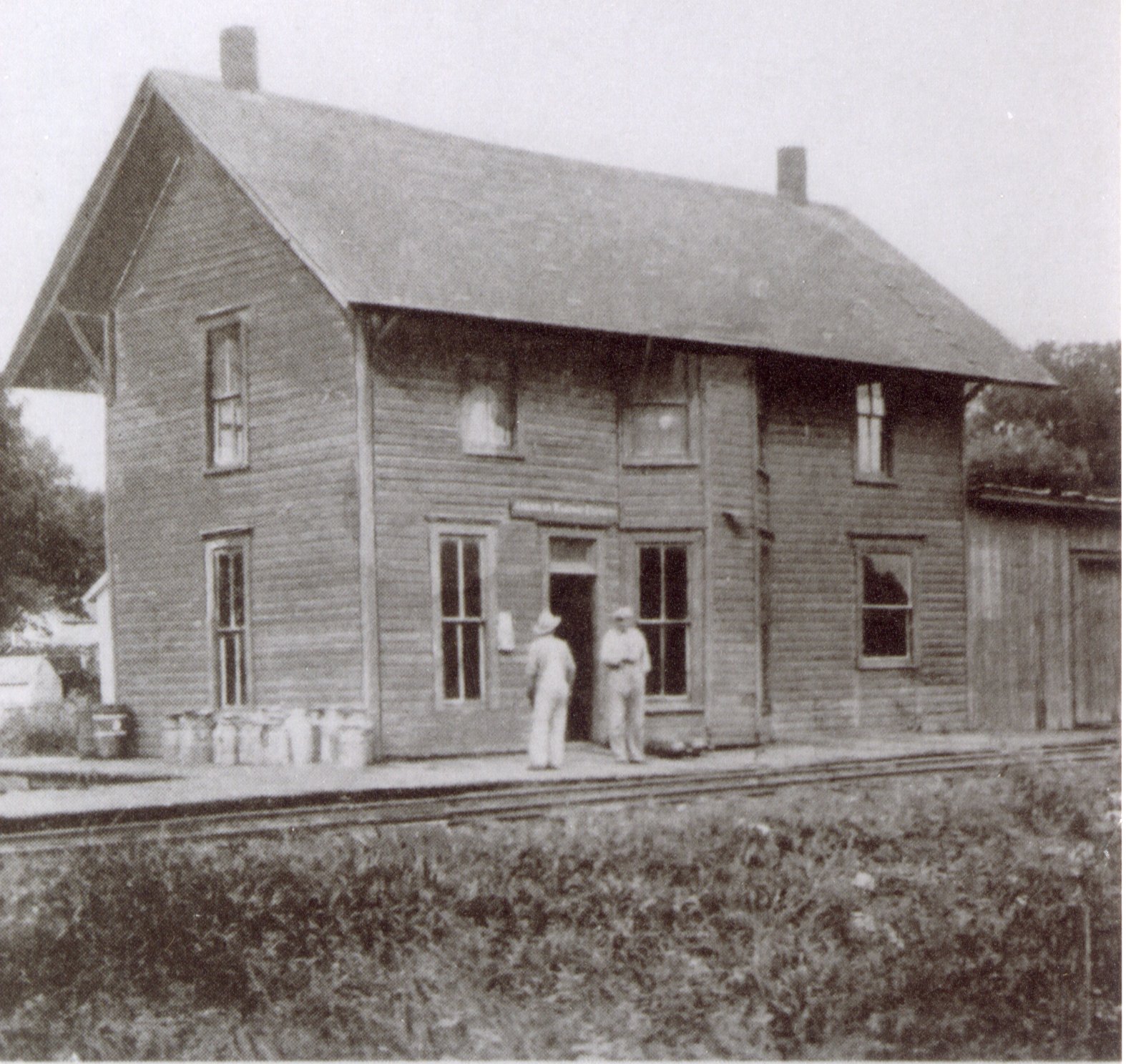
![The C&E depot in Cassville, Missouri. [State Historical Society of Missouri Rolla Research Center, Cassville & Exeter Railway Company Records, R0421]](/sites/default/files/styles/article_header_image/public/2026-06/9-dinky.jpg?itok=SRHDL8SB "The C&E depot in Cassville, Missouri. [State Historical Society of Missouri Rolla Research Center, Cassville & Exeter Railway Company Records, R0421]")
One of the shortest standard-gauge railway lines in the United States was built in Barry County, Missouri, by the Cassville and Western Railway Company (C&W) in the summer of 1896. Eventually known to locals as the “Dinky,” this independently owned railway connected Cassville to the St. Louis–San Francisco Railway line that ran through nearby Exeter. The Cassville and Western line was privately owned by a group of stockholders comprised of area farmers and businessmen as well as outside investors. The track was five miles and four hundred feet long (later shortened to just under five miles). The first train rolled into Cassville on July 4, 1896, to much fanfare. The route chosen to lay the tracks was slightly uphill, so the engine could steam up the grade to Exeter and then coast back to Cassville.
While investors paid to construct the railway line and outfit it with two engines, two passenger cars, one boxcar, a roundhouse, and the two-story depot at Cassville, no one proved willing to manage the fledgling line. As a result, the Cassville and Western did not keep a proper train schedule, showed no signs of profitability, and failed to maintain its tracks. This lack of management made traveling on the trains dangerous, cumbersome, and unreliable for passengers and freight alike, but regardless of the line’s faults, local farmers finally had an easier way to transport their goods to market.
The Cassville and Western’s precarious existence was further threatened in 1917 after a tragic accident. As the train slowly made its way uphill from Cassville to Exeter, a pair of freight cars carrying a heavy load uncoupled from the engine. The cars coasted downhill back to Cassville, gaining momentum the entire way. They had gained so much speed by the time they reached the town that they “tore past the station, skidded through yards, and tumbled headlong through a six-room house that stood over 100 yards from the end of the line.” The accident killed a young woman and caused substantial property damage. After this incident, the company was all but defunct by 1918.
In 1919 the Cassville and Western was purchased by David Dingler and James C. Ault and renamed the Cassville and Exeter Railway Company. The short line entered a new era of prosperity and popularity with this change of ownership. Dingler and Ault ran the company with their wives, the four of them rounding out the main positions on the board of directors. David Dingler served as president, Ida Dingler as vice president, James Ault as secretary, and Bertha Ault was appointed treasurer. David Dingler also functioned as the general manager and the only engineer. His hard work and enthusiasm revitalized the business.
Dingler’s friendly demeanor struck a chord with everyone who met him. He planned special trips for schoolchildren, delighted tourists, treated strangers like family, and befriended the local Frisco Railroad linemen, who often loaned the Cassville and Exeter line their equipment. Dingler’s good cheer even made the papers. It was the railway's second most notable feature, after how short the line was. Dingler was often quoted as saying that although the Cassville and Exeter was short, it was just as wide as any other line.
When Dingler and Ault purchased the line, the railway did not own a locomotive, so Dingler traveled to St. Louis and returned with a used engine that was affectionately known as Maryann. The ten-wheel locomotive was a workhorse: in 1919 the Cassville and Exeter hauled 415 shipments out of Cassville, mostly fruit and other produce, and returned from Exeter with nearly as much freight. The short line was efficient, and so were the men who ran it under Dingler’s management. The same eight men served on the crew for almost twenty years, including Dingler, fireman Bert Anderson, conductor Guy Reese, station agent E. B. Hawke, section foreman Bob Clarke, and three section hands.
The Cassville and Exeter was intimately connected with the surrounding community, passing so close to homes along the track that the crew could see what the families were having for breakfast through their kitchen windows. Dingler knew virtually all those families by name; some he considered part of his own family. Residents along the rail line sometimes fed transients who unknowingly hopped a ride, only to find themselves all too quickly at the end of the line. Kay Mattingly Harper, whose family farm was near the Dinky, remembered that these hitchhikers sometimes stopped in to ask for food on the long walk back to Exeter to catch a longer-haul train.
The railroad and its employees were whimsically featured in many state and national newspapers during Dingler’s ownership. The New York Times published a profile of Dingler and the railway in its January 29, 1928, edition. It was also the backdrop for a radio program and, in 1931, appeared in Robert Ripley’s syndicated Believe It or Not! cartoon panel. In fact, the railroad was so highly publicized that the Barry County Advertiser called it Cassville’s “claim to glory.” It also became Dingler’s claim to fame in the railroad industry.
In January of 1939, James Ault, Dingler’s business partner, died in an automobile accident. Dingler died the following November, leaving the railroad rudderless. Ida, Dingler’s widow, was later elected by the railway board and “became one of the few women railway executives in the United States.” In fact, the Cassville and Exeter had three women in leadership positions after 1939, including Ida, Bertha Ault, and the Aults’ daughter, Marcelle Alice (Ault) Burton. It had avoided going bankrupt during the Great Depression and continued to operate at a profit despite the unexpected change in leadership.
The Dinglers’ son, Ray, became vice president and took over the line’s daily management until he enlisted in the military during World War II. During Ray Dingler’s absence, the line deteriorated and closed for the first time since 1919. Ray assumed the presidency upon his return to Cassville after the war, but problems with the line accumulated faster than he could address them. These issues led to what the family called a temporary closure in January 1949. The Dingler and Ault families did all they could to keep the C&E going, but rising maintenance costs and revenue losses from competition with increased truck traffic signaled the line’s days were numbered.
By July 1949, the Cassville and Exeter had secured new investors, and Arthur Wheelock of Des Moines, Iowa, became the line’s new president. The repaired line operated on an as-needed basis with a skeleton crew for the next few years. The Cassville and Exeter’s third revitalization was short-lived, however; the line closed for good in the autumn of 1956 after sixty years in service. The last run from Cassville to Exeter took place on September 11, 1956.
Cuddihy, Robert Joseph, ed. “A Tom Thumb Railroad that Delivers the Goods.” Literary Digest 98, no. 13 (1928): 48.
Hansen, Peter A., Carlos Arnaldo Schwantes, and Don L. Hofsommer. Crossroads of a Continent: Missouri Railroads, 1851–1921. Bloomington: Indiana University Press, 2022.
Hofsommer, Don L., and Carlos Arnaldo Schwantes. Missouri Railroads: A Modern Crossroads, 1921–2023. Bloomington: Indiana University Press, 2025.
Keepsake Stories of the Ozarks. Cassville, MO: Litho Printers, 1972.
Ripley, Robert L. Ripley’s Believe It or Not. Simon and Schuster, 1931.
“This Rail Chief Is also Engineer: Dave Dingler, Half Owner of the Cassville & Exeter, Has a Line 4.9 Miles Long—Keeps Overhead Low by Doing Repairs Himself.” New York Times, January 29, 1928, Special Features section, p. 8.
Wilson, Charles Morrow. “A Family Railroad in Missouri.” Transportation 3, no. 1 (1928): 21–23.
Wilson, Charles Morrow. “Our ‘Shortest’ Railroad.” Railroad Man's Magazine. (November 1930): 494–95.
Published June 4, 2026; Last updated June 5, 2026
Creative Commons Attribution-NonCommerical-ShareAlike 4.0 International (CC BY-NC-SA 4.0)