 the State Historical Society of Missouri
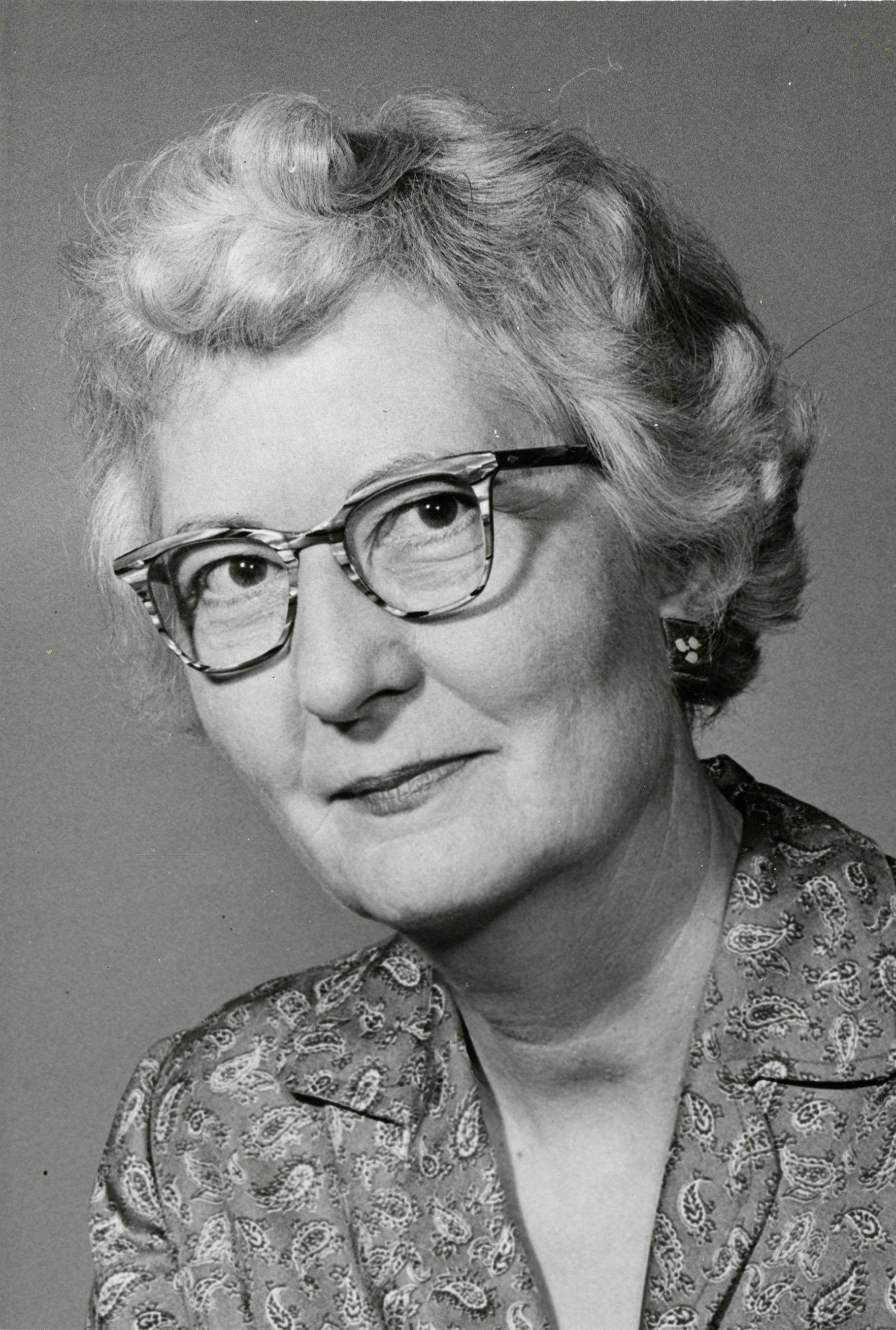
![Lucile Morris Upton. [State Historical Society of Missouri, Missouri Press Portraits, P1196-018227]](/sites/default/files/styles/article_header_image/public/2026-05/1.-lucile-morris-upton.jpg?itok=h1uYGQwA "Lucile Morris Upton. [State Historical Society of Missouri, Missouri Press Portraits, P1196-018227]")
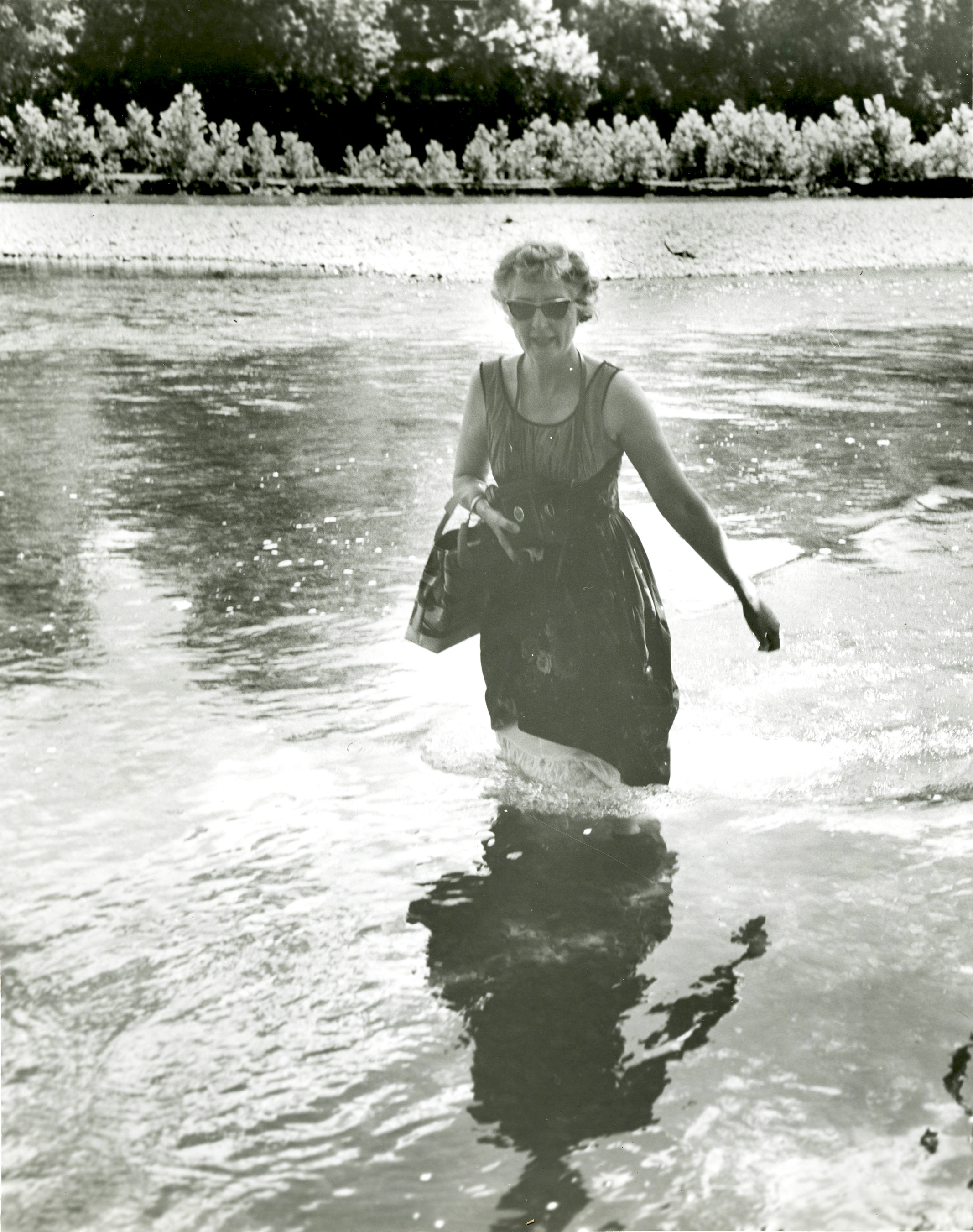
![Lucile Morris Upton in 1956. [State Historical Society of Missouri, Lucile Morris Upton Papers, C3869]](/sites/default/files/styles/article_header_image/public/2026-05/2.-lucile-morris-upton.jpg?itok=Alkhhivt "Lucile Morris Upton in 1956. [State Historical Society of Missouri, Lucile Morris Upton Papers, C3869]")
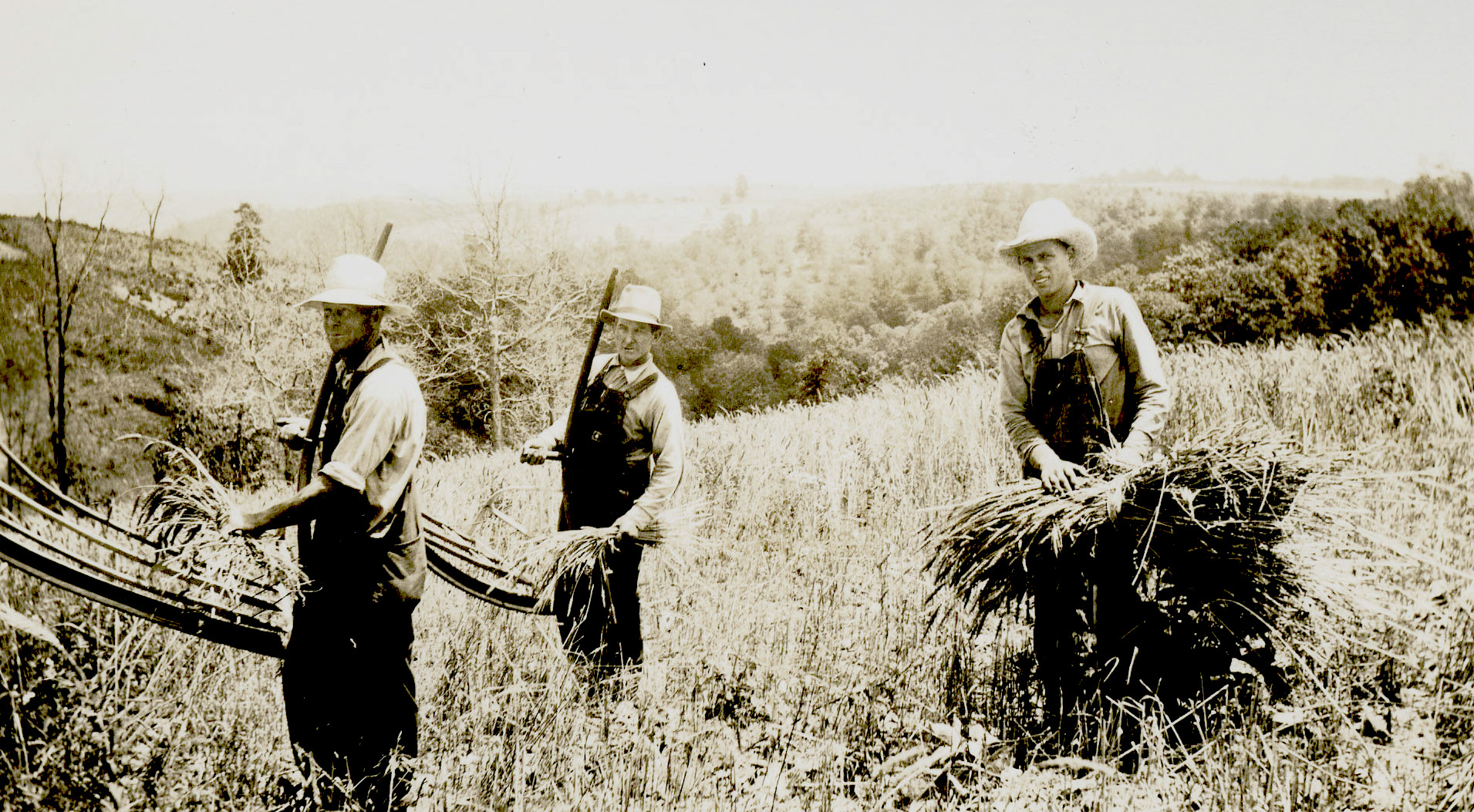
![I. B. Jones, R. R. Cummings, and Vernon Cummings in Taney County, Missouri. Lucile Morris Upton took and collected photographs documenting life in the Missouri Ozarks. [State Historical Society of Missouri, Lucile Morris Upton Papers, C3869]](/sites/default/files/styles/article_header_image/public/2026-05/3.-lucile-morris-upton.jpg?itok=2Il59YT4 "I. B. Jones, R. R. Cummings, and Vernon Cummings in Taney County, Missouri. Lucile Morris Upton took and collected photographs documenting life in the Missouri Ozarks. [State Historical Society of Missouri, Lucile Morris Upton Papers, C3869]")
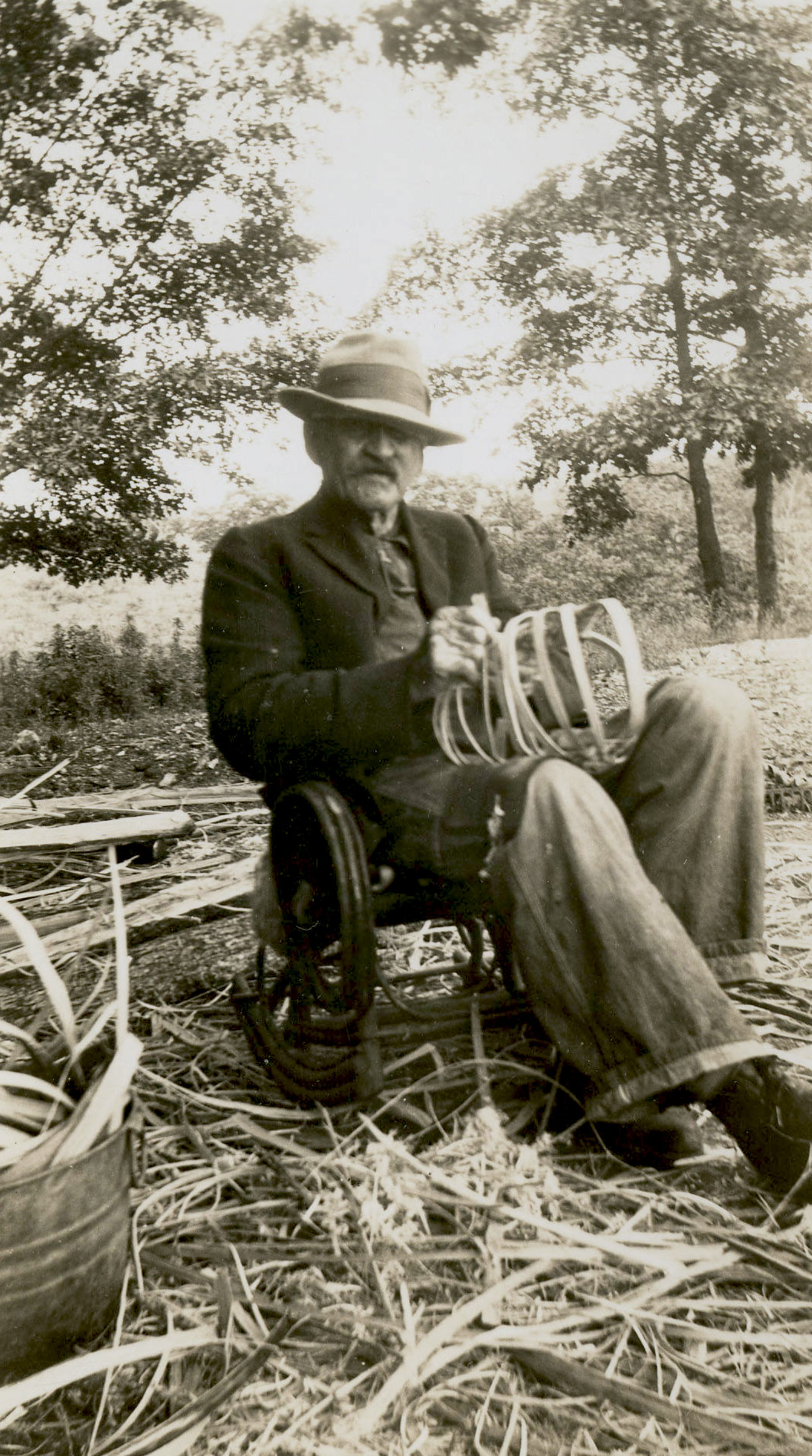
![John Thomas crafting handmade baskets for the tourist trade near Branson, Missouri. Lucile Morris Upton was interested in Ozarks material culture. [State Historical Society of Missouri, Lucile Morris Upton Papers, C3869]](/sites/default/files/styles/article_header_image/public/2026-05/4.-lucile-morris-upton.jpg?itok=-XEdKUcw "John Thomas crafting handmade baskets for the tourist trade near Branson, Missouri. Lucile Morris Upton was interested in Ozarks material culture. [State Historical Society of Missouri, Lucile Morris Upton Papers, C3869]")
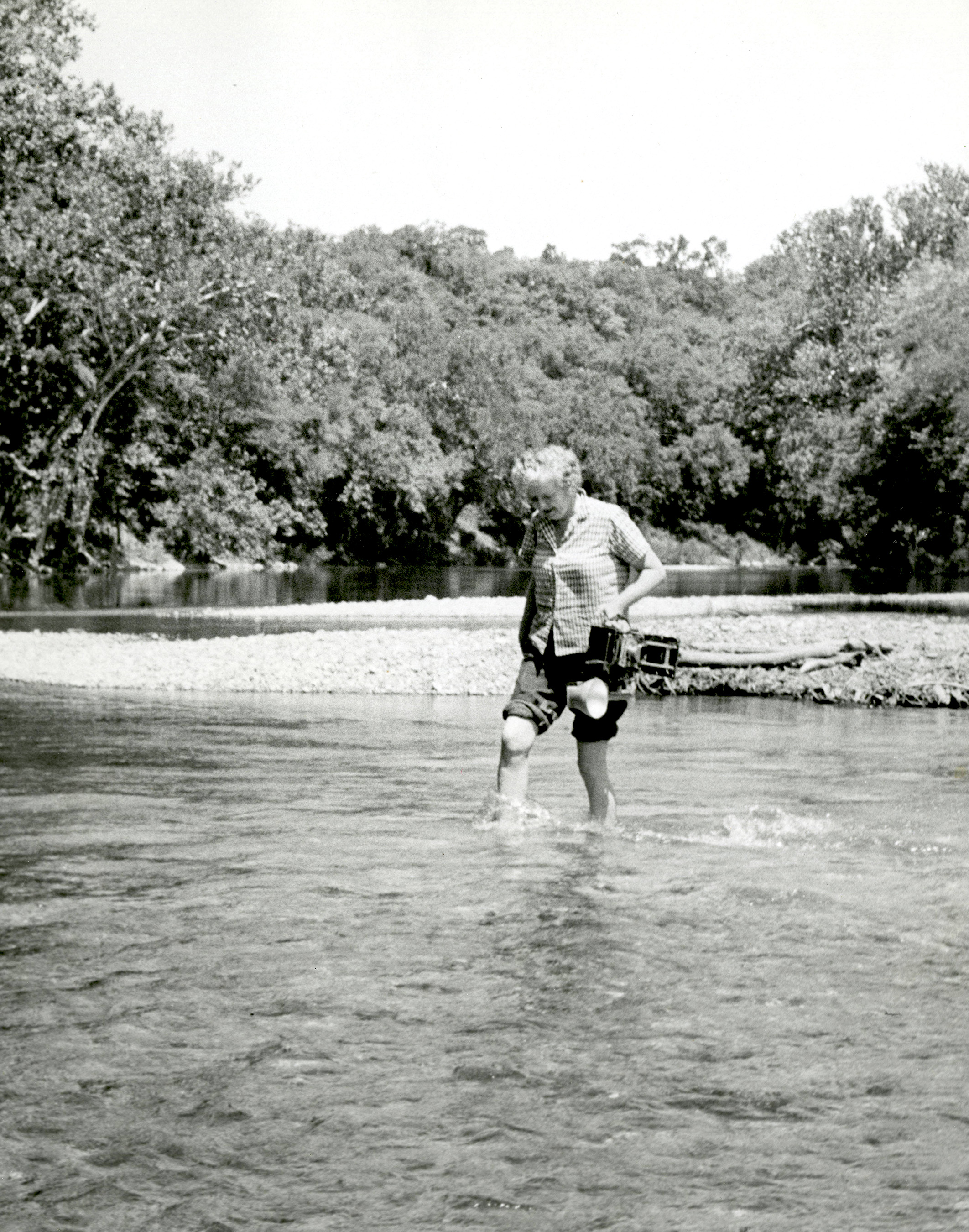
![Betty Love was a longtime news photographer who accompanied Lucile Morris Upton on trips across the Ozarks. They published several Sunday features together. [State Historical Society of Missouri, Lucile Morris Upton Papers, C3869]](/sites/default/files/styles/article_header_image/public/2026-05/5.-lucile-morris-upton.jpg?itok=HwnHeB2T "Betty Love was a longtime news photographer who accompanied Lucile Morris Upton on trips across the Ozarks. They published several Sunday features together. [State Historical Society of Missouri, Lucile Morris Upton Papers, C3869]")
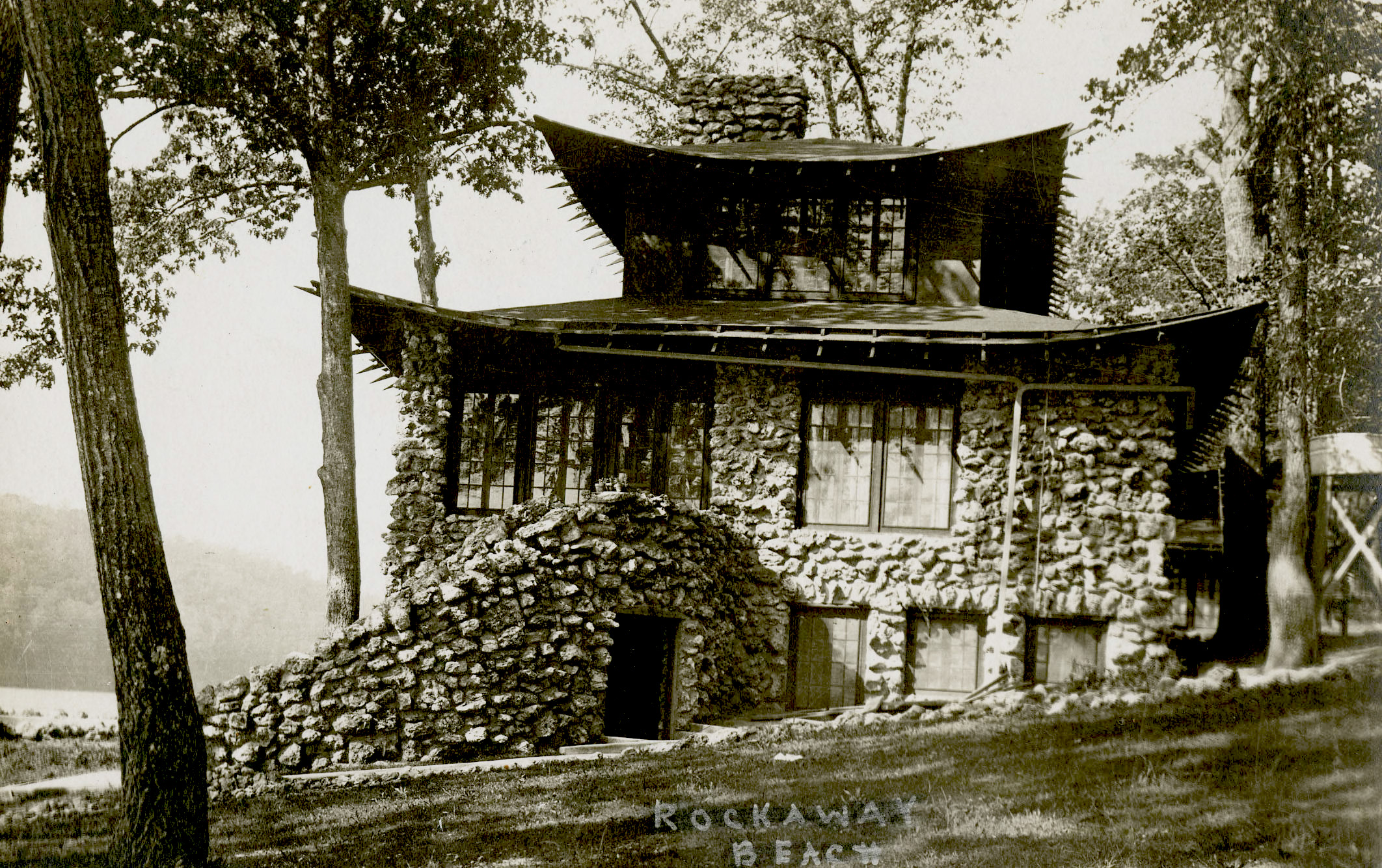
![Lucile Morris Upton was interested in local history and historic preservation; this photograph shows the distinctive home of Willard and Anna Merriam of Rockaway Beach, Missouri. [State Historical Society of Missouri, Lucile Morris Upton Papers, C3869]](/sites/default/files/styles/article_header_image/public/2026-05/6.-lucile-morris-upton.jpg?itok=ioy44bpN "Lucile Morris Upton was interested in local history and historic preservation; this photograph shows the distinctive home of Willard and Anna Merriam of Rockaway Beach, Missouri. [State Historical Society of Missouri, Lucile Morris Upton Papers, C3869]")

![Lucile Morris Upton signing a copy of her book in 1982. [State Historical Society of Missouri, Lucile Morris Upton Papers, C3869]](/sites/default/files/styles/article_header_image/public/2026-05/7.-lucile-morris-upton.jpg?itok=H8Sn4A_s "Lucile Morris Upton signing a copy of her book in 1982. [State Historical Society of Missouri, Lucile Morris Upton Papers, C3869]")
Family stories and tales of the place where she grew up propelled Lucile Morris Upton into a lifelong interest in regional history. That interest, in turn, led her to a long career as one of the Ozarks’ best-known newspaper reporters, and, following her retirement, a stint on the Springfield City Council, where her passion for commemorating the past helped to preserve Greene County historic sites such as the Nathan Boone farmhouse and Wilson’s Creek National Battlefield.
Winnie Lucile Morris was born on July 22, 1898, in Dadeville, a prosperous Dade County farm town northwest of Springfield. Her mother, Veda Palestine Wilson, was the youngest of fifteen children. Her father, Albert Morris, was the only child of Mount Etna Morris and Sarah Ellen Quarles. Her father died (probably of stomach cancer) when Lucile was nine. She grew up with her mother and two younger brothers in a small house on the corner of her paternal grandparents’ farm. Her mother never remarried, but brought up all three of her children to take control of their own destinies. Lucile planned to become a schoolteacher to support herself.
She attended Springfield’s Drury College and the regional state teachers college (now Missouri State University), taught school in her hometown for five years, and then spread her wings and found a job in Roswell, New Mexico, a place looking for teachers from the “east.” During her year in Roswell, she decided to change careers and attend the University of Missouri’s new School of Journalism. However, she never made it to J-School: on the way back to Missouri after her teaching year, she applied for a newspaper job in Denver and was hired as a “sob sister” at a small weekly newspaper, the Denver Express. While most of her assignments at the Express involved emotional stories about women and children, she also had a chance to interview President Warren Harding when he came through Denver on his last trip west.
When she tired of being a sob sister, Lucile moved on to the El Paso Times. Then, following a successful year as a city desk reporter in El Paso, she accepted a job with the International News Service in London and began making her way across the country, stopping first to tell her family good-bye. When she arrived back in Missouri, however, she saw her native Ozarks in a different light: “It was not until I had left the Ozarks and seen considerable of other states . . . that I began to realize what a rich heritage in folklore, tradition, and history we possess.” After a few months, during which her mother was ill, she determined to forgo the job in London, and spent some time writing and selling feature articles to the St. Louis Post-Dispatch and Kansas City Star. When she applied to the two papers for a full-time job, however, both turned her down, on the grounds that she was a woman.
Instead, she joined the staff of the Springfield Leader in 1926, at the age of twenty-eight, and almost immediately began to immerse herself in regional history. She wrote a multi-part series on Daniel Boone’s youngest son, Nathan, who left a big farmhouse not far from where Lucile grew up. About the same time, she covered a reunion of Civil War veterans and came away from that event with a firm resolve to commemorate the battle that had been fought at nearby Wilson’s Creek. Also, almost as soon as she joined the Springfield newspaper world, she began to learn the story of the Bald Knobbers, a post–Civil War vigilante group that terrorized Taney and Christian Counties. Those three subjects became the basis for her legacy: a highly regarded book that chronicled the history of the Bald Knobber troubles; seeing Wilson’s Creek become a national battlefield park; and, though she did not live to see it, having the Nathan and Olive Boone homestead turned into a state historic site.
Her work for Springfield newspapers was not all focused on history. She became the first woman reporter to cover the Greene County courthouse beat, and in that capacity, she covered the worst police massacre of the twentieth century. In January 1932, she was the reporter on deck when word came that Greene County Sheriff Marcell Hendrix and six law enforcement officers had been killed on a farm west of town. Hendrix, accompanied by deputies and officers from the Springfield Police Department, were murdered while attempting to arrest Harry and Jennings Young for killing Republic town marshal Mark Noe. Known as the Young Brothers Massacre, the story became national news. The two brothers stole a car and headed out of town. They were later found dead in Houston, Texas, having shot each other to avoid being captured.
When she was thirty-eight, Lucile married Eugene V. Upton, a widowed court reporter with three older children: Rosemary, Joseph, and Eugene. Lucile quit her job when she married Upton. During her married years, however, she stayed busy: in 1939 Caxton Press published her book Bald Knobbers, and shortly after the United States entered World War II, she began a weekly history-focused newspaper column called the “Good Old Days,” which discussed Springfield events fifty years in the past. The popular column, which took the form of letters from a young woman to “Dear Auntie,” lasted forty years and helped cultivate a love of local history among the paper’s readers. Lucile’s marriage lasted only eleven years; her husband died of a heart attack in 1947. Following his death, she returned to the newspaper. Like her mother, who lived with her in later years, she never remarried.
During her years as a reporter, she spent more than a decade teamed up with photographer Betty Love. Together, the two women became well known as they crisscrossed the Ozarks reporting on everything from murders and tornadoes to politics. Along the way, they produced many Sunday photo stories featuring historic places. Besides their reporting, the two became an example for young women interested in a professional career outside the home.
Lucile retired from journalism in 1964, after more than forty years as a newspaper reporter. Three years later, she ran for and was elected to the Springfield City Council. As a member of the council, she spearheaded an ordinance creating a local historic sites board to identify important Springfield buildings that should be preserved. These included the home of an early mayor, as well as a nineteenth-century jail known as the Old Calaboose. The Springfield Historic Sites Board was such a success that Greene County created a county-wide historic sites board, and in 1983 the Greene County court named her the county’s official historian.
Throughout her life, Lucile remained close to her family. Her two younger brothers became well known in the state: Mount Etna, a banker, became a politician. He served as a state legislator, commissioner of finance, the first director of the Missouri Department of Revenue, and was elected state treasurer for three nonconsecutive terms. Their younger brother, George, an outdoorsman, served as head of the state’s fish hatcheries and earned a national name for himself in his successful efforts to raise catfish in captivity. Like Lucile, George was a writer, and his articles appeared regularly in the Missouri Department of Conservation’s Conservationist magazine. Lucile Morris Upton passed away in 1992.
Kelly, Susan Croce. Newspaperwoman of the Ozarks: The Life and Times of Lucile Morris Upton. Fayetteville: University of Arkansas Press, 2023.
Lucile Morris Upton Collection. Springfield–Greene County Library Center Digital Archives, Springfield, Missouri.
Lucile Morris Upton Papers (C3869). State Historical Society of Missouri, Columbia Research Center.
Published May 1, 2026
Creative Commons Attribution-NonCommerical-ShareAlike 4.0 International (CC BY-NC-SA 4.0)