 the State Historical Society of Missouri
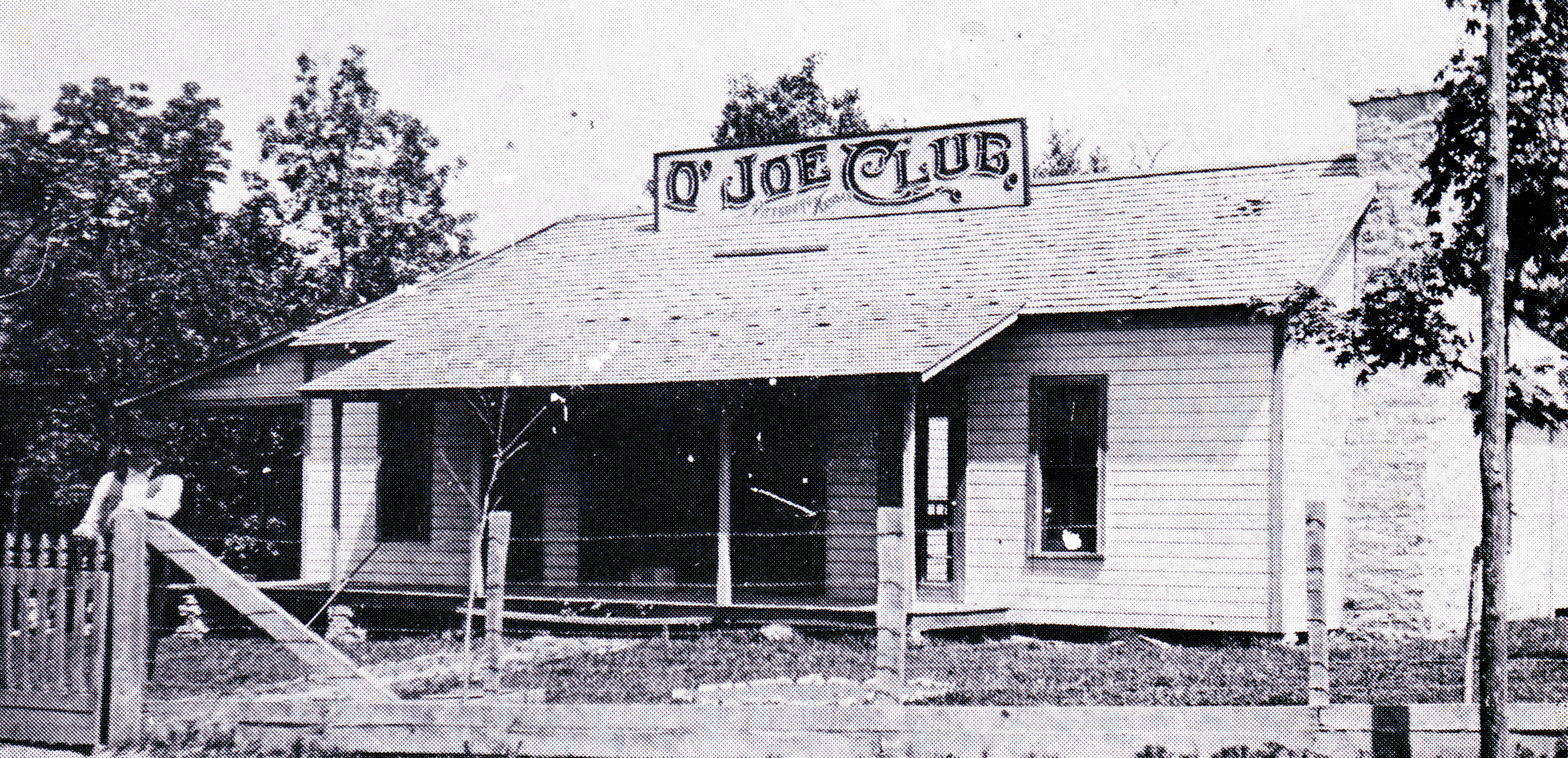
![The O’Joe Club in Noel, Missouri. [Courtesy of Dorene Stiles and Noel Centennial, 1887–1987]](/sites/default/files/styles/article_header_image/public/2026-01/1.-ojoe-club.jpg?itok=-TEcfm4d "The O’Joe Club in Noel, Missouri. [Courtesy of Dorene Stiles and Noel Centennial, 1887–1987]")
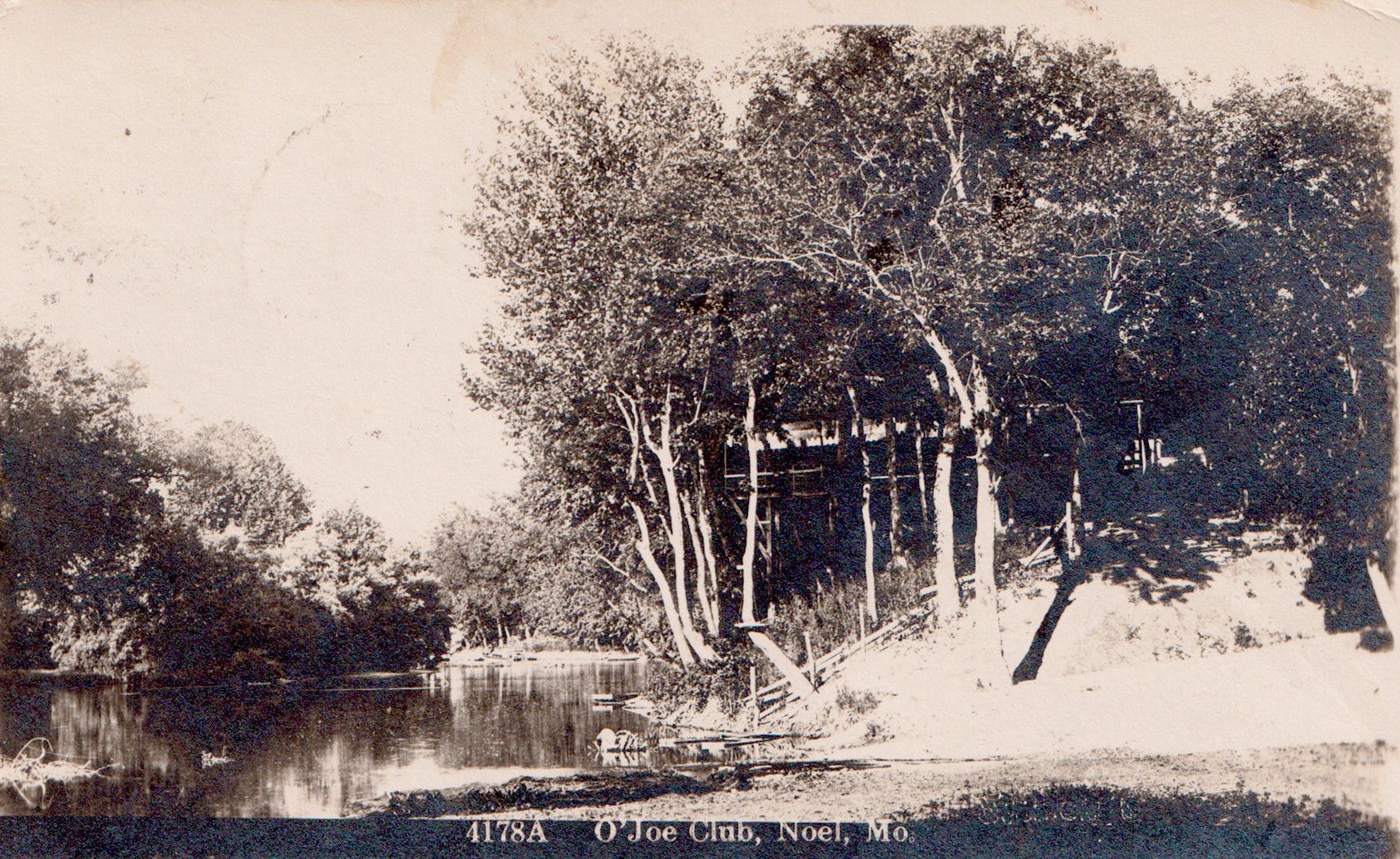
![This circa 1914 postcard offers a side view of the O’Joe clubhouse at the confluence of Elk River and Butler Creek in Noel, Missouri. [Courtesy of Kimberly Harper]](/sites/default/files/styles/article_header_image/public/2026-01/2.-ojoe-club.jpg?itok=MTNeJdKQ "This circa 1914 postcard offers a side view of the O’Joe clubhouse at the confluence of Elk River and Butler Creek in Noel, Missouri. [Courtesy of Kimberly Harper]")
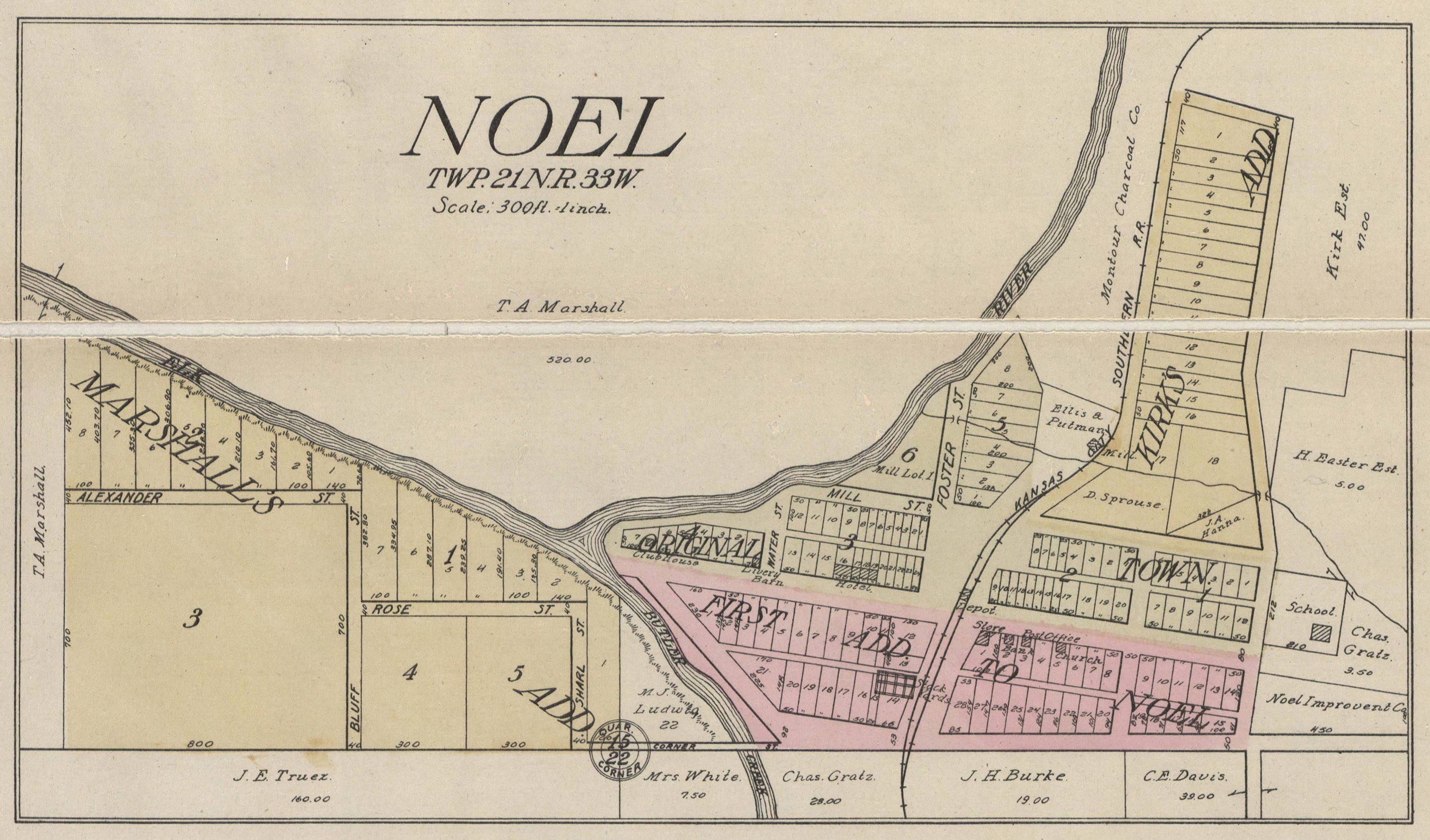
![A 1909 plat map of Noel, Missouri, identifying “clubhouse” at the site of the O’Joe Club. [State Historical Society of Missouri Map Collection, Standard Atlas of McDonald County, Missouri, 1909]](/sites/default/files/styles/article_header_image/public/2026-01/3.-ojoe-club.jpg?itok=EIrdsgzQ "A 1909 plat map of Noel, Missouri, identifying “clubhouse” at the site of the O’Joe Club. [State Historical Society of Missouri Map Collection, Standard Atlas of McDonald County, Missouri, 1909]")
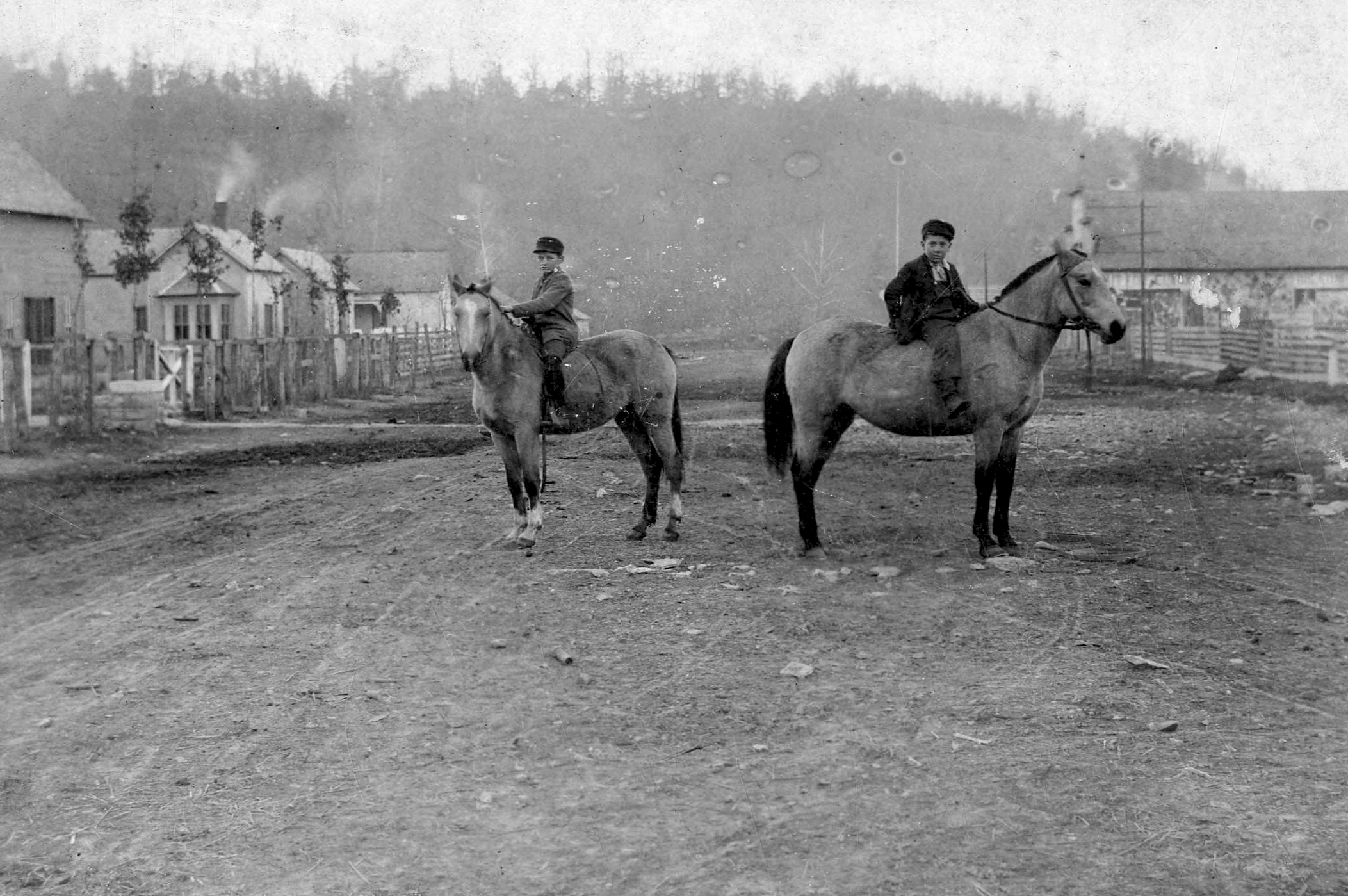
![Main Street in Noel at the turn of the twentieth century. [Courtesy of Missouri State Archives, Vanishing Missouri Collection]](/sites/default/files/styles/article_header_image/public/2026-01/4.-ojoe-club.jpg?itok=iI-oA6TF "Main Street in Noel at the turn of the twentieth century. [Courtesy of Missouri State Archives, Vanishing Missouri Collection]")
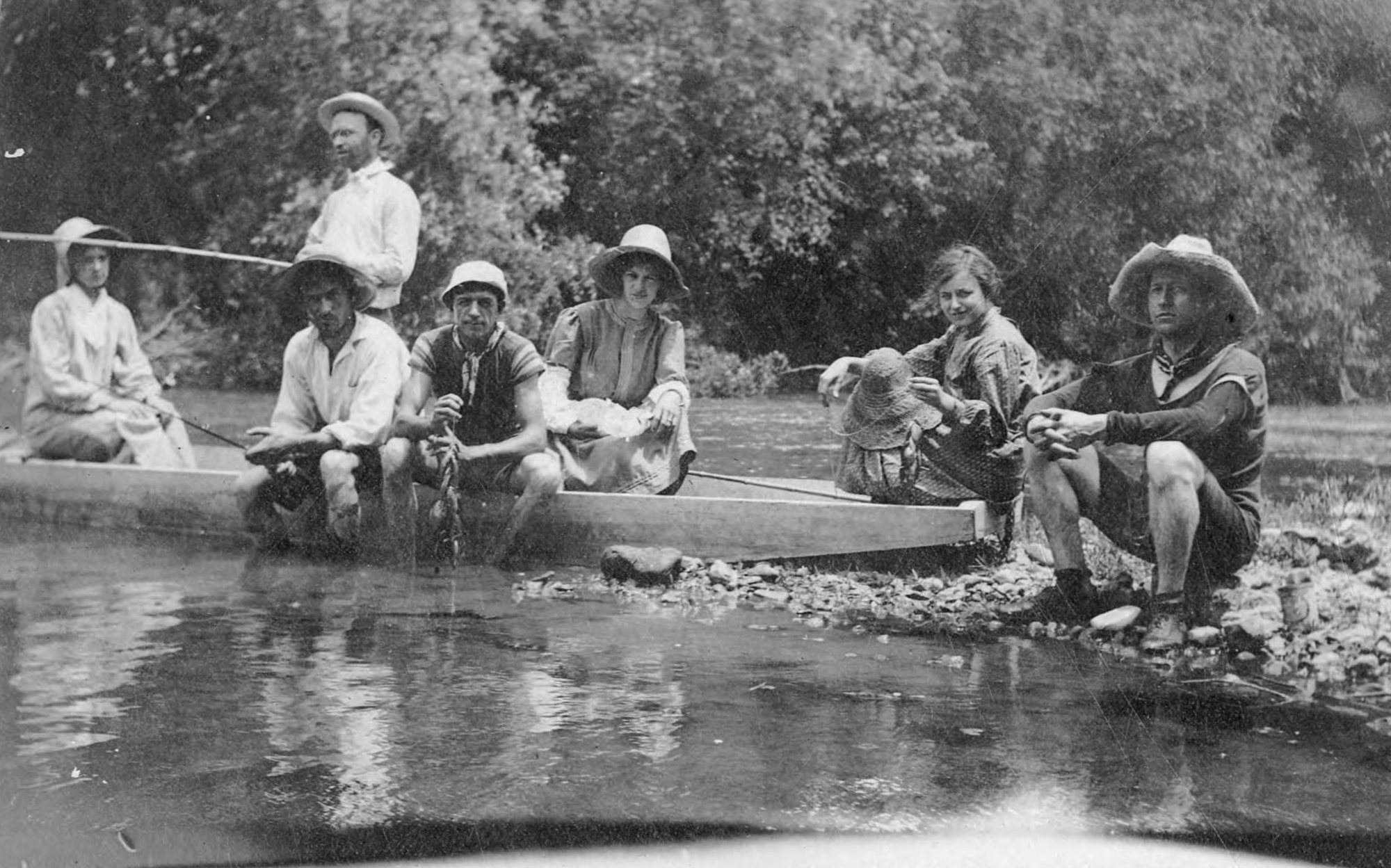
![A group with their johnboat on what is likely the banks of Elk River near Noel, Missouri. [Courtesy of Missouri State Archives, Vanishing Missouri Collection]](/sites/default/files/styles/article_header_image/public/2026-01/5.-ojoe-club.jpg?itok=4jq_J4Sc "A group with their johnboat on what is likely the banks of Elk River near Noel, Missouri. [Courtesy of Missouri State Archives, Vanishing Missouri Collection]")
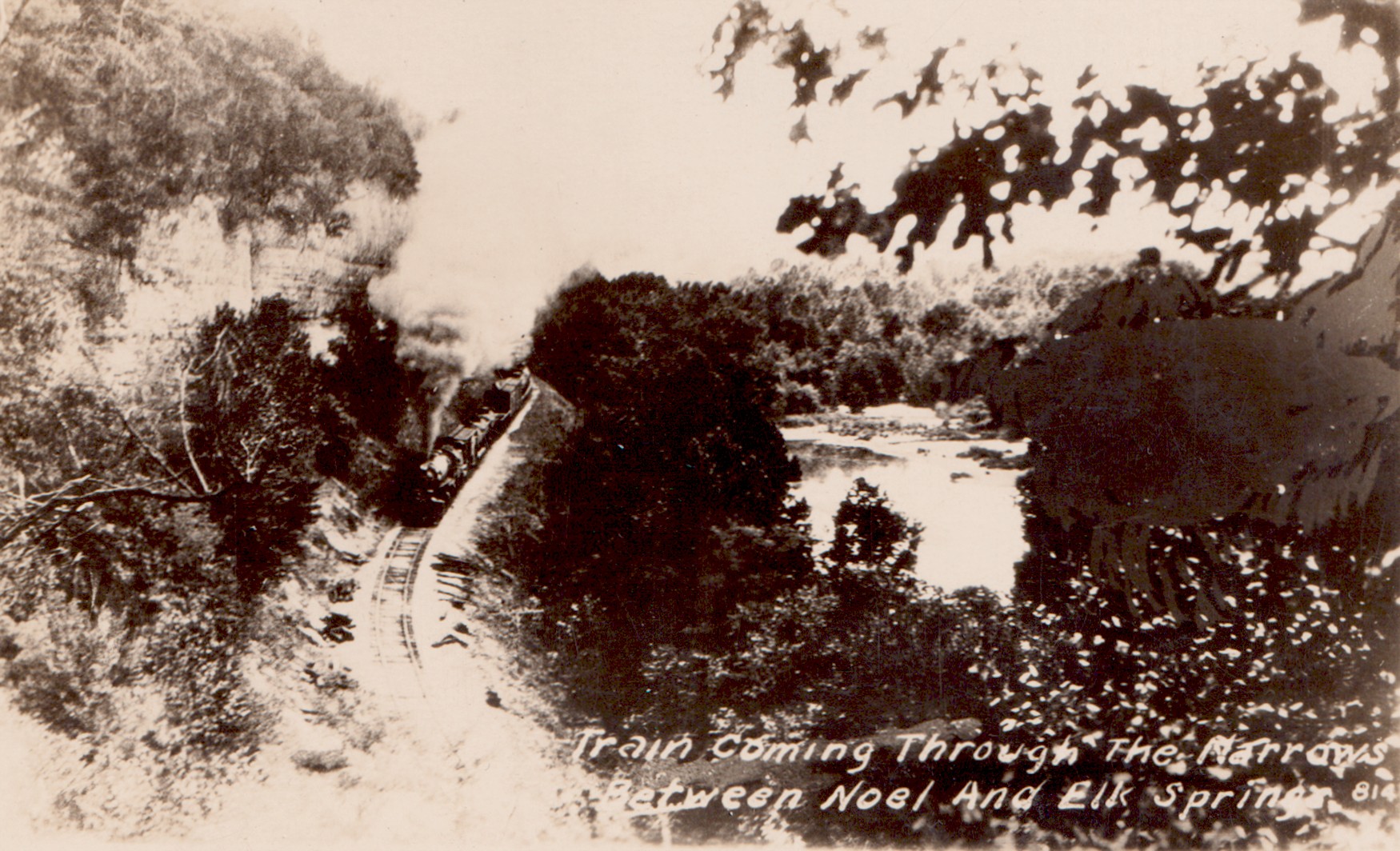
![A southbound Kansas City Southern train on its way to Noel. [Courtesy of Kimberly Harper]](/sites/default/files/styles/article_header_image/public/2026-01/6.-ojoe-club.jpg?itok=t87e2Fo9 "A southbound Kansas City Southern train on its way to Noel. [Courtesy of Kimberly Harper]")
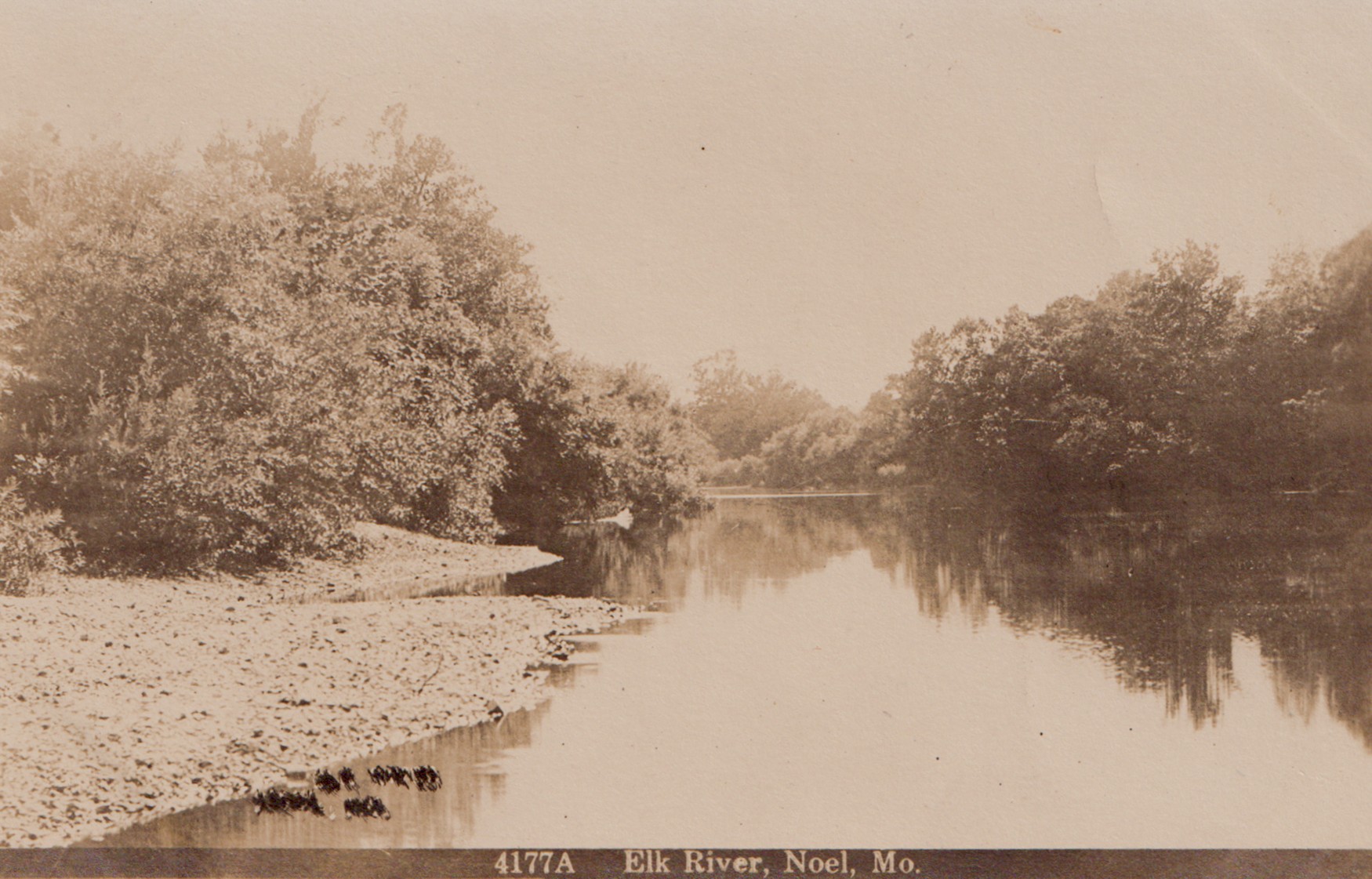
![In the early 1900s, Elk River attracted visitors from across the region who enjoyed floating, fishing, and swimming in its cool, clear water. [Courtesy of Kimberly Harper]](/sites/default/files/styles/article_header_image/public/2026-01/7.-ojoe-club.jpg?itok=Y72gruYq "In the early 1900s, Elk River attracted visitors from across the region who enjoyed floating, fishing, and swimming in its cool, clear water. [Courtesy of Kimberly Harper]")
The O’Joe Club in Noel, Missouri, was one of the first commercial resorts in the Ozarks. Although it was not founded by native Ozarkers, the group’s clubhouse became a magnet for tourists and sportsmen at the turn of the twentieth century. Its regional fame was instrumental in making Missouri’s McDonald County a popular outdoor recreation destination and helped launch the local commercial tourist trade.
The club’s genesis began in 1893 when a group of sportsmen from Pittsburg, Kansas, went fishing on Indian Creek in Lanagan, a small town in McDonald County. During their trip, the men were arrested and fined for violating fish and game laws. Shortly after their scrape with the law, the men reportedly heard someone repeatedly call out, “O Joe!” from the nearby hills, and “being full of mischief,” they adopted the cry for the rest of their trip. After returning to Pittsburg, the sportsmen organized the O’Joe Club. Membership was at first limited to just the parties who were arrested, but it was eventually opened to others, subject to approval.
Soon thereafter, club members decided to establish a clubhouse in McDonald County for fishing, floating, and swimming excursions. While looking for a suitable spot, they met Noel merchant Thomas Marshall, reportedly one of the wealthiest men in McDonald County and a significant landowner. Marshall donated a small parcel of property to the club. His generosity was born out of self-interest; he wanted Noel to become a resort town and believed that the club would attract additional visitors. His hope was not misplaced.
In April 1894 the O’Joe Club announced it was building a clubhouse resembling a log cabin at the confluence of Butler Creek and Elk River in Noel. A contemporary description of the building suggests that the structure, which reportedly had two fifteen-by-fifteen-foot rooms with a twelve-foot open entry between them, was constructed like a dogtrot. The club also ordered “two corn-cracker boats.” The clubhouse, ideally situated for fishing excursions on Elk River, quickly became “a famous resort with the Pittsburgers, who, sitting on the veranda overhanging the stream and watching the fish swimming in the clear water below, regaled themselves and each other with fishing yarns.” Members bragged that the “fishes that got away were always bigger in Elk river than any other stream.” Among the many Pittsburg visitors to the O’Joe Club was a young Vance Randolph, the future folklorist, who, on a visit to Noel with his parents in 1899, became enamored with the Ozarks. In time the clubhouse was made available as a rental, attracting visitors from across Kansas and Missouri. One reporter marveled, “never a day passed between May and September that the house was not occupied.”
Many of those visitors arrived by rail. McDonald County’s fledgling tourism and recreation industry was fueled by the dreams of Arthur Stillwell. A former insurance salesman turned real estate and railroad developer, Stillwell wanted to build a railroad connecting Kansas City to the Gulf of Mexico. His Kansas City, Pittsburg, and Gulf Railroad Company (KCPG) acquired Mathias Splitlog’s fifty-one-mile-long Kansas City, Fort Smith and Southern Railroad, which ran from Joplin, Missouri, to Sulphur Springs, Arkansas. When the KCPG was completed in 1897, it extended from Kansas City to Pittsburg, Kansas, and then to Joplin, Neosho, and Noel, Missouri, before continuing south into Arkansas and on to Texas. In 1900 the KCPG was acquired by the Kansas City Southern Railway. Until the fall of 1969, Kansas City Southern passenger trains delivered visitors from across the country to McDonald County.
In the 1910s the Good Roads movement in southwest Missouri ushered in the arrival of a new kind of tourist: motorists. Urban automobile clubs and tourists were among those who indulged in long-distance travel by car. Local road advocates like Dr. Henry O. Beeson of Noel joined other Progressive boosters from across the region, among them future first state superintendent of highways John Malang of Joplin, to champion modern roads. Malang and the Western Good Roads Association of Jasper County convinced McDonald and Newton County residents to help build new roads that would connect Joplin to Kansas City and northwest Arkansas. One major accomplishment was a fifty-mile road from Joplin to the Arkansas state line dubbed “Trail of the Lonesome Pine” that would, in time, become US Highway 71.
The advent of modern roads and widespread enthusiasm for the automobile, which notably increased after Henry Ford released his rugged and reasonably priced Model T in 1908, heralded a new age in America. Auto tourists, many of whom were members of an emerging middle class that fueled the nation’s new consumer-driven economy, took to the road and found new places to spend their leisure time and income. Instead of returning to the same place every summer, they could embark on cross-country tours of America that were more affordable than rail travel. As Americans explored new avenues of recreation and leisure, L. J. Richardson of Sulphur Springs, Arkansas, purchased the O’Joe Club property in the summer of 1915 with plans to refurbish it. Contemporary news accounts do not explain why club members chose to sell their clubhouse, but the cost of upkeep and new opportunities for independent leisure travel may have been factors.
The shift in tourism and leisure sparked by the Good Roads movement and its plethora of promotional material advanced the idea of the Ozarks as a playground. In 1919 Joplin businessmen, capitalizing upon this vision, spearheaded the creation of the Ozark Playgrounds Association (OPA). The OPA, using money from dues paid by participating communities in southwest Missouri and northwest Arkansas, publicized the Ozarks and promoted tourism to the region through advertisements, brochures, maps, and postcards. The resulting influx of tourists and sportsmen led to new resorts, tourist camps, and roadside businesses, not only in McDonald County, but across the region.
The O’Joe Club, however, did not survive to witness this new era in Ozarks tourism. By 1920 the property had been renamed Shady Nook. What happened to the clubhouse is unclear; it may have burned or been demolished. Fittingly, its spot on the banks of Elk River and Butler Creek was occupied in 1925 by a new business, the legendary music venue Shadow Lake.
Morrow, Lynn, and Linda Myers-Phinney. Shepherd of the Hills Country: Tourism Transforms the Ozarks, 1880s–1930s. Fayetteville: University of Arkansas Press, 1999.
Noel Centennial Book Committee. Noel Centennial, 1887–1987. N.p.: Noel Centennial Book Committee, 1987.
Published January 30, 2026; Last updated June 4, 2026
Creative Commons Attribution-NonCommerical-ShareAlike 4.0 International (CC BY-NC-SA 4.0)