 the State Historical Society of Missouri
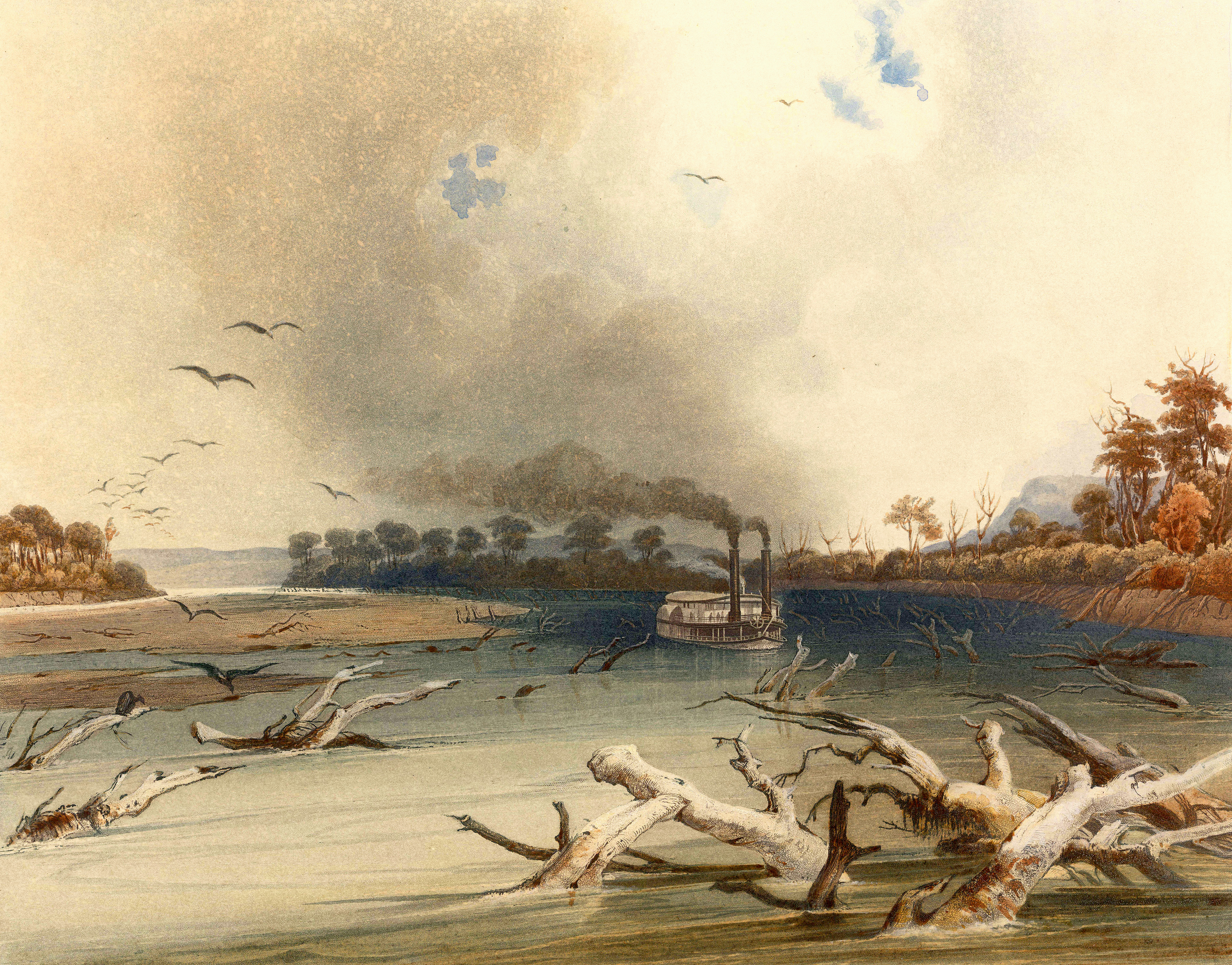
![Snags (Sunken Trees) on the Missouri, print replicating Karl Bodmer’s painting, 1841. [State Historical Society of Missouri, Art Collection, 1958.0006c1]](/sites/default/files/styles/article_header_image/public/2026-02/1.-yellowstone-expedition.jpg?h=5893366c&itok=j855eR_C "Snags (Sunken Trees) on the Missouri, print replicating Karl Bodmer’s painting, 1841. [State Historical Society of Missouri, Art Collection, 1958.0006c1]")
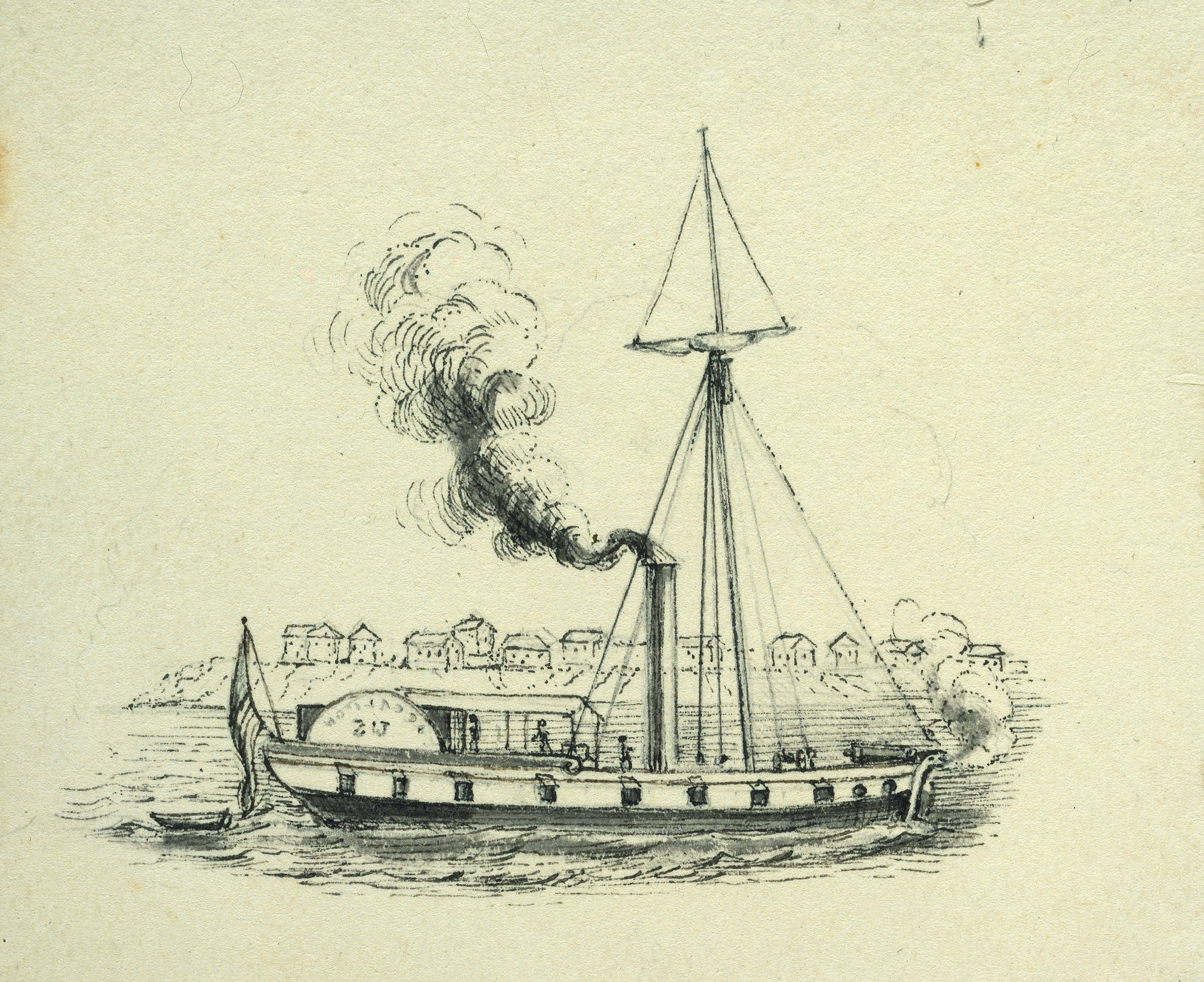
![The Western Engineer, the steamboat of the scientific Long Expedition, as sketched by artist and naturalist Titian Ramsay Peale, a member of the expedition. [American Philosophical Society, Titian Ramsay Peale Sketches, neg1144.039]](/sites/default/files/styles/article_header_image/public/2026-02/2.-yellowstone-expedition.jpg?itok=yTcRsZHh "The Western Engineer, the steamboat of the scientific Long Expedition, as sketched by artist and naturalist Titian Ramsay Peale, a member of the expedition. [American Philosophical Society, Titian Ramsay Peale Sketches, neg1144.039]")
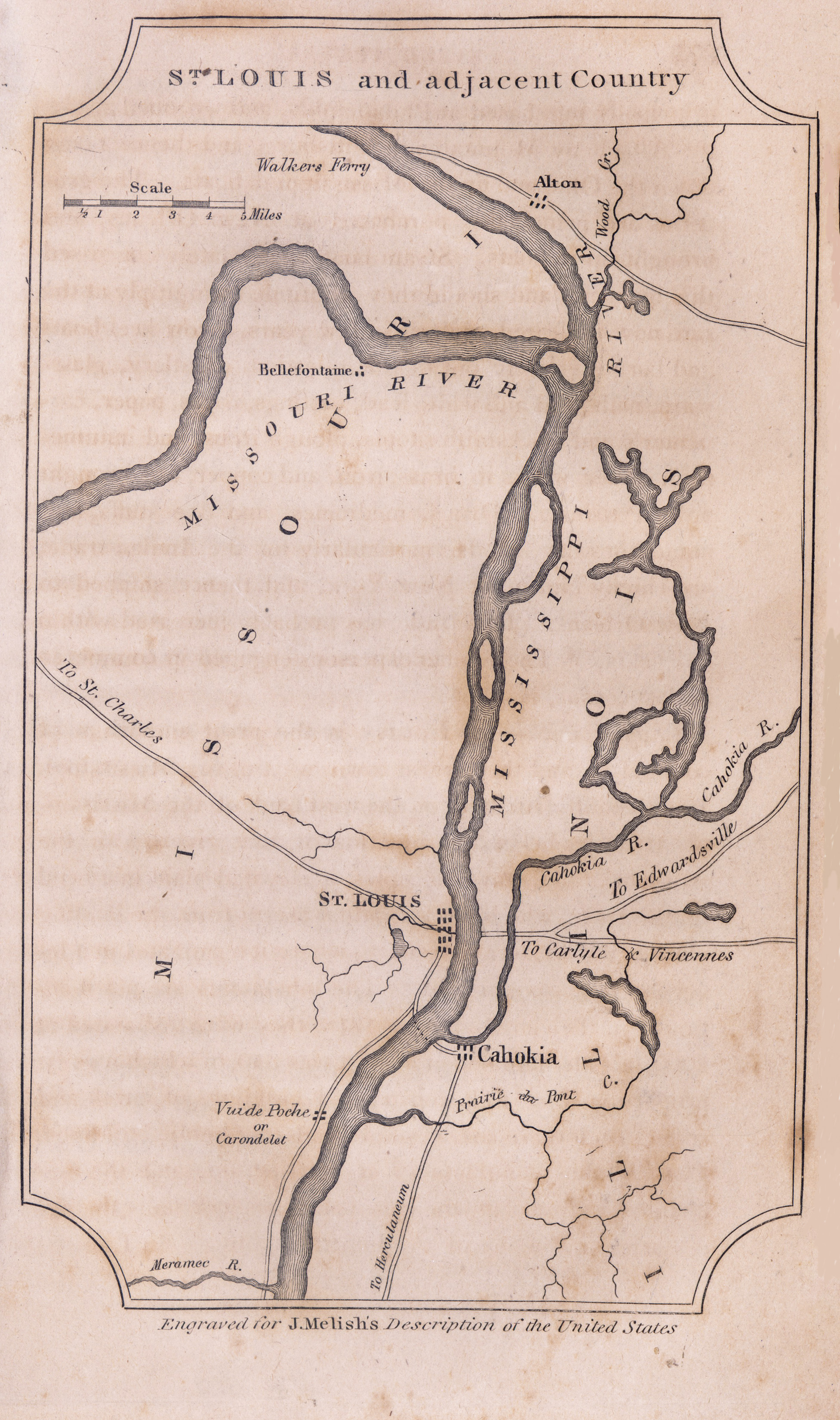
![An 1818 map of St. Louis and its vicinity, showing Fort Belle Fontaine on the Missouri River. [Missouri Historical Society, St. Louis, Library Map and Book Photography, Lib-OCLC-859270206]](/sites/default/files/styles/article_header_image/public/2026-02/3.-yellowstone-expedition.jpg?itok=ZXiuomOu "An 1818 map of St. Louis and its vicinity, showing Fort Belle Fontaine on the Missouri River. [Missouri Historical Society, St. Louis, Library Map and Book Photography, Lib-OCLC-859270206]")
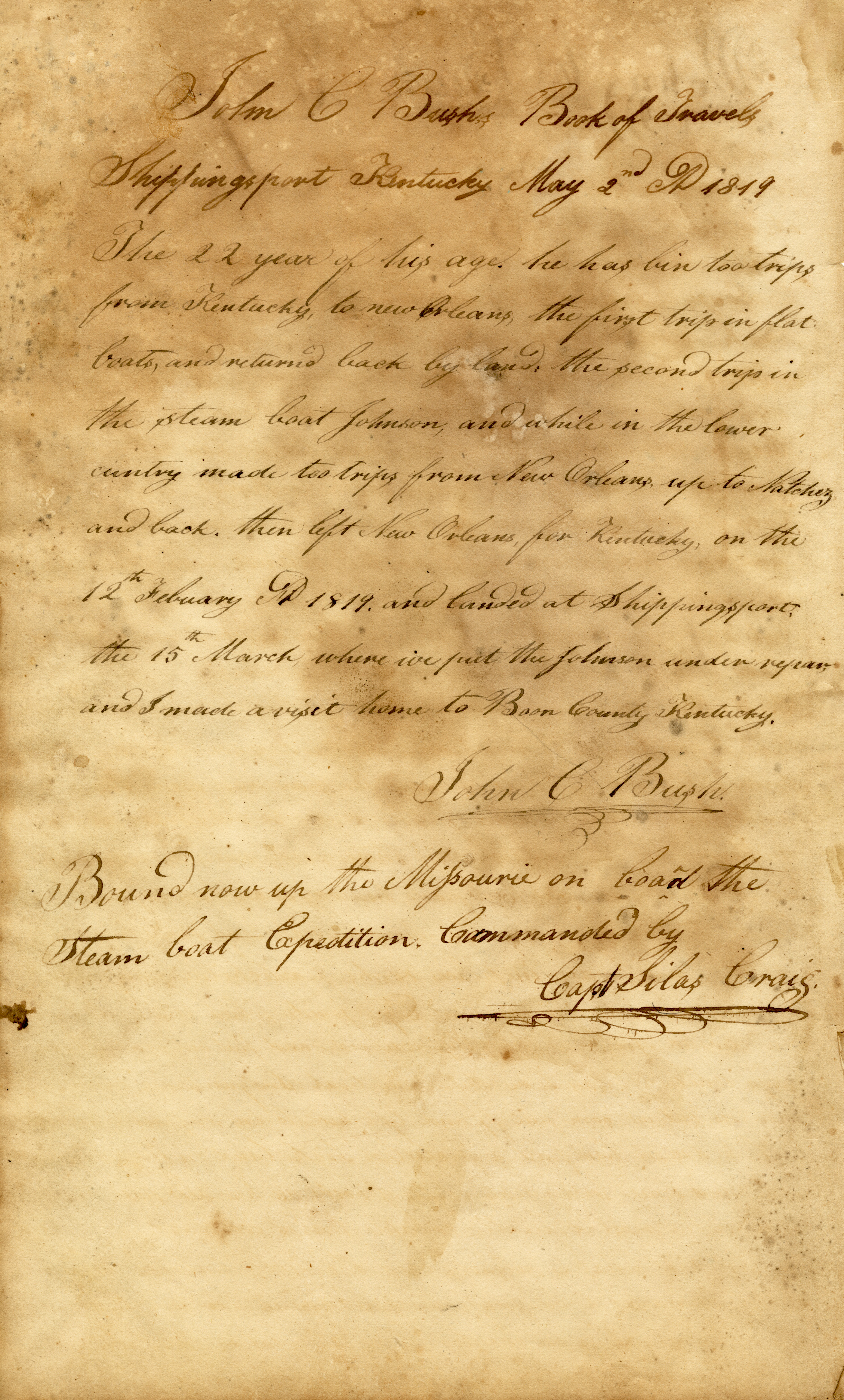
![A page from the journal kept by John Craig Bush, a crewman on the steamboat Expedition. [State Historical Society of Missouri, Bush Family Papers (C3887)]](/sites/default/files/styles/article_header_image/public/2026-02/4.-yellowstone-expedition.jpg?itok=52Pmf5lg "A page from the journal kept by John Craig Bush, a crewman on the steamboat Expedition. [State Historical Society of Missouri, Bush Family Papers (C3887)]")
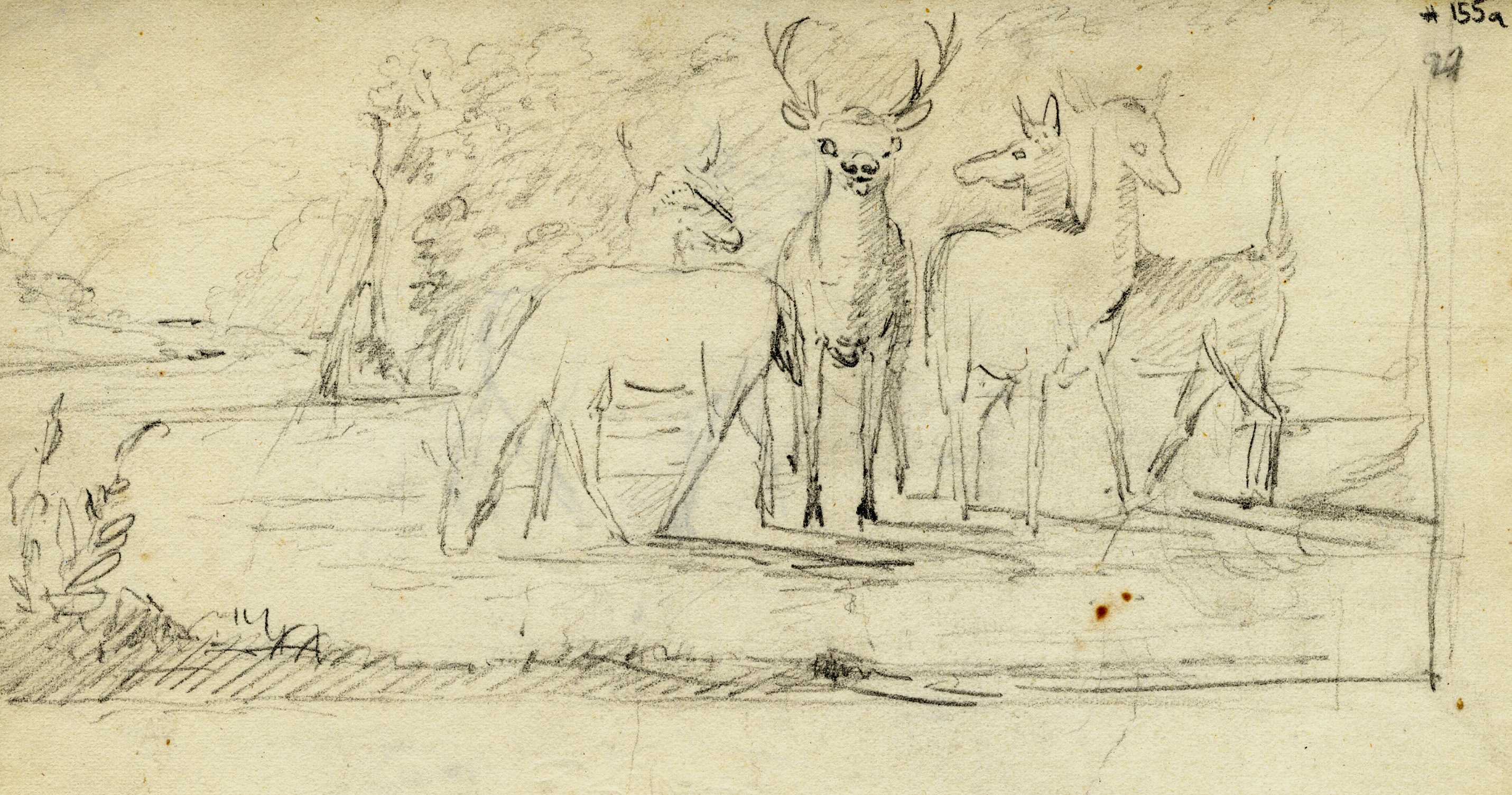
![White-tailed deer sketched by Titian Ramsay Peale during the Long Expedition. [American Philosophical Society, Titian Ramsay Peale Sketches, APSimg5716]](/sites/default/files/styles/article_header_image/public/2026-02/5.-yellowstone-expedition.jpg?itok=uIP4UyuI "White-tailed deer sketched by Titian Ramsay Peale during the Long Expedition. [American Philosophical Society, Titian Ramsay Peale Sketches, APSimg5716]")
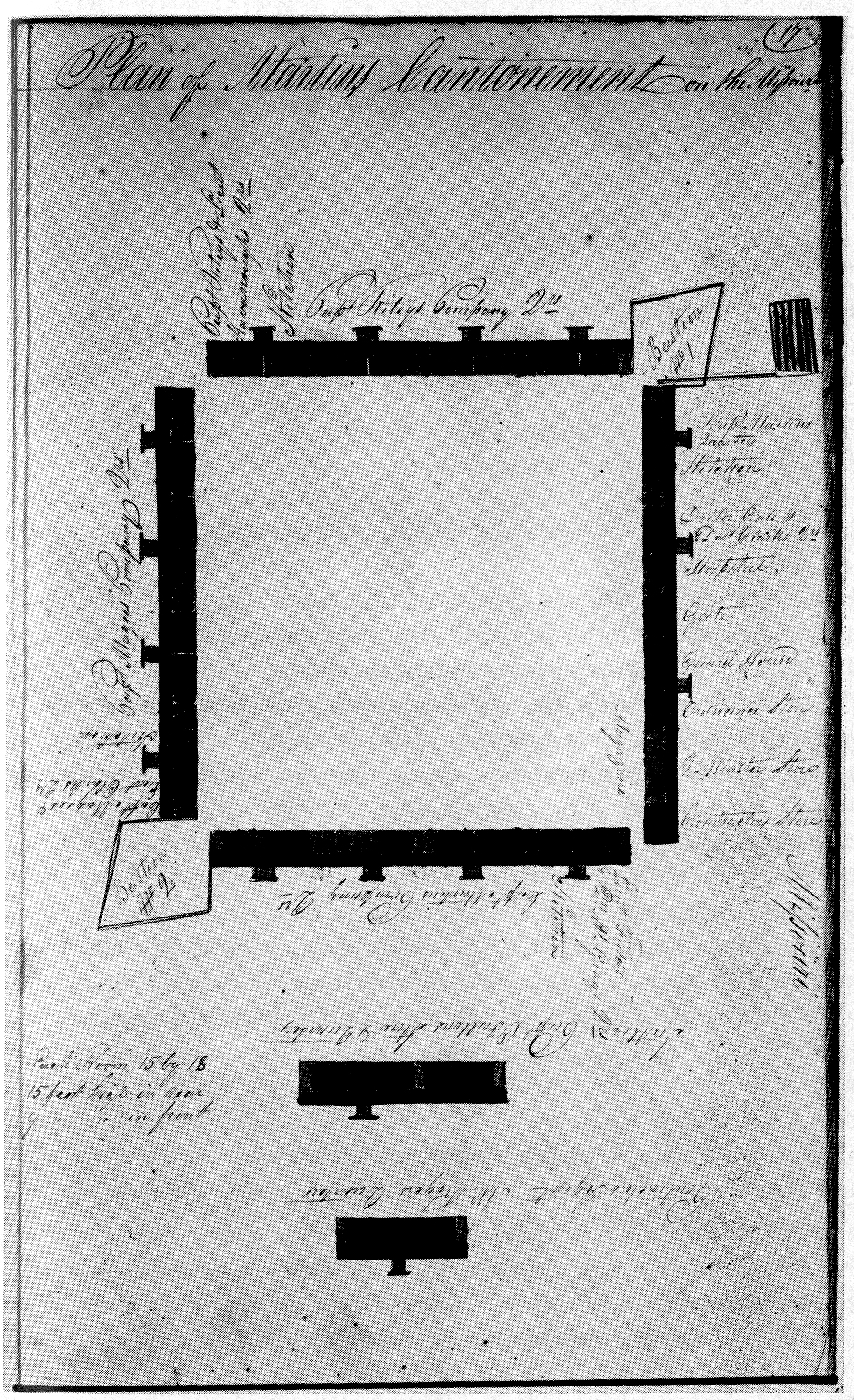
![A diagram of Camp Martin, the Missouri River expedition’s advance camp on Cow Island (Leavenworth, Kansas). [Beinecke Rare Book and Manuscript Library, Yale University]](/sites/default/files/styles/article_header_image/public/2026-02/6.-yellowstone-expedition.jpg?itok=0itfT1tb "A diagram of Camp Martin, the Missouri River expedition’s advance camp on Cow Island (Leavenworth, Kansas). [Beinecke Rare Book and Manuscript Library, Yale University]")
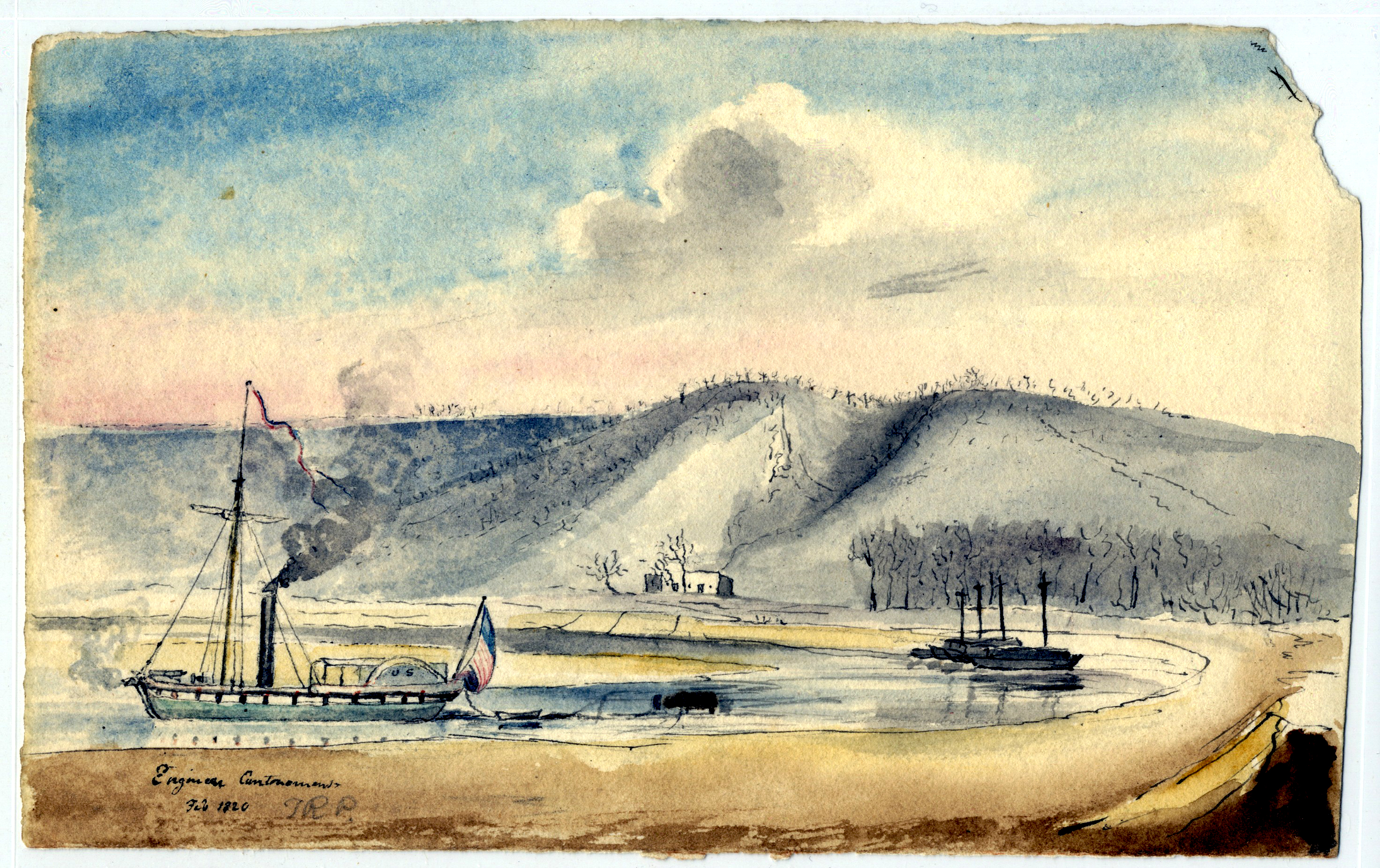
![Titian Ramsay Peale’s depiction of the Engineer Cantonment, where he and members of the Long Expedition spent the winter of 1819–1820. [American Philosophical Society, Titian Ramsay Peale Sketches, neg1144.060]](/sites/default/files/styles/article_header_image/public/2026-02/7.-yellowstone-expedition.jpg?itok=VyxOb9_m "Titian Ramsay Peale’s depiction of the Engineer Cantonment, where he and members of the Long Expedition spent the winter of 1819–1820. [American Philosophical Society, Titian Ramsay Peale Sketches, neg1144.060]")
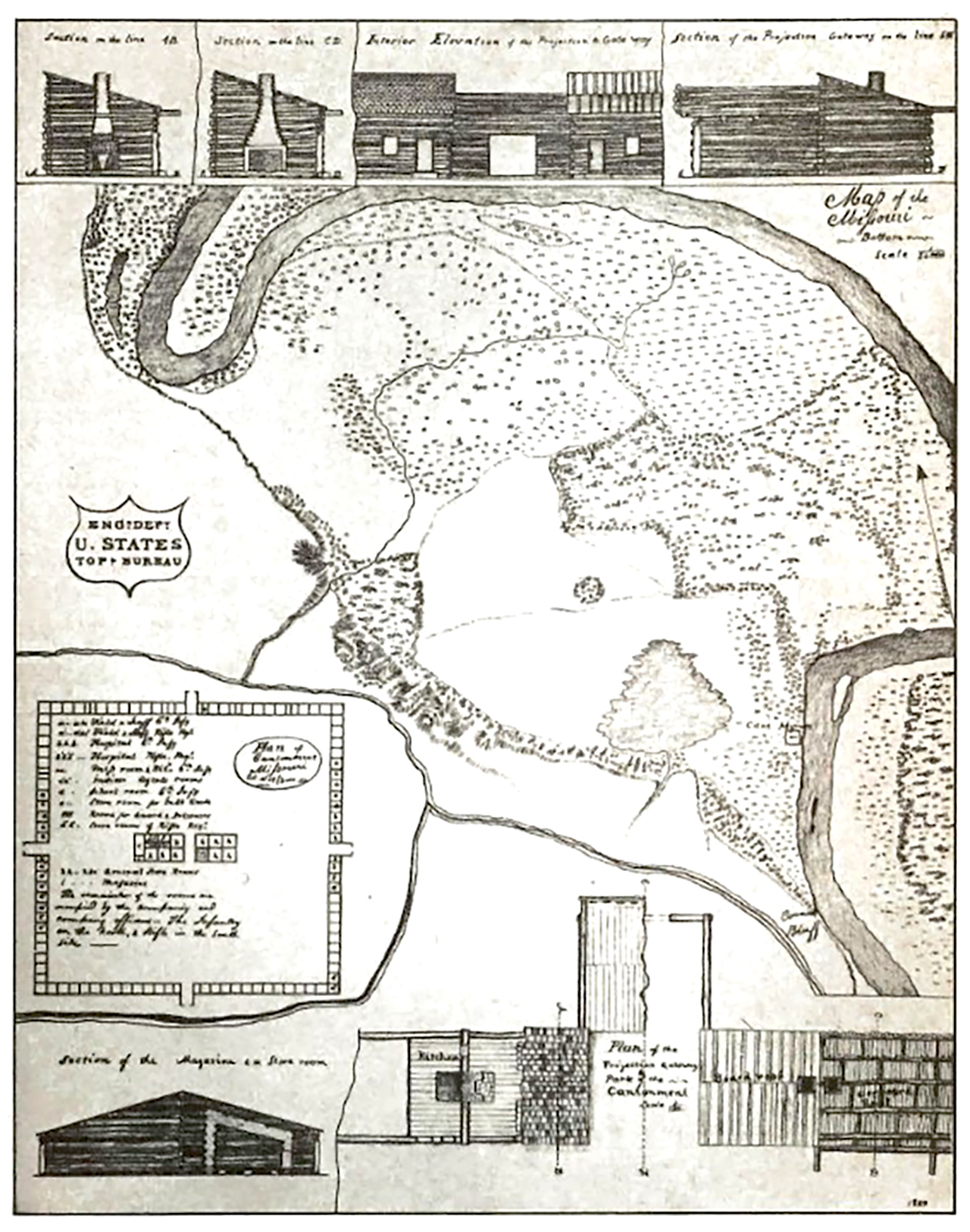
![Camp Missouri, the Missouri River expedition’s main camp near Council Bluff. [National Archives and Records Administration]](/sites/default/files/styles/article_header_image/public/2026-02/8.-yellowstone-expedition.jpg?itok=xIEBZkLR "Camp Missouri, the Missouri River expedition’s main camp near Council Bluff. [National Archives and Records Administration]")
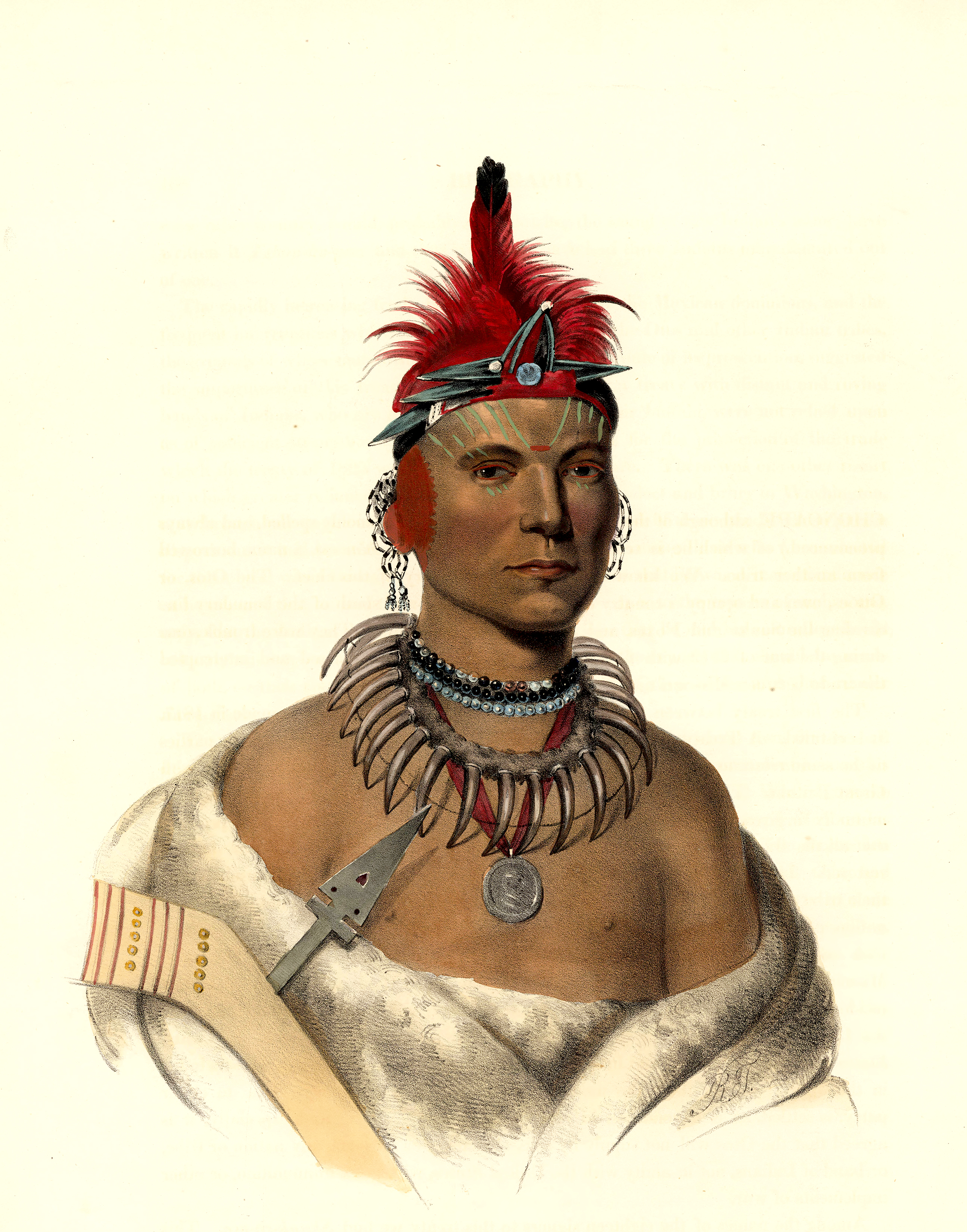
![Chono-Ca-Pe, An Ottoe Chief, by Henry Inman after Charles Bird King. The Otoes lived along the river in what is now Missouri, Kansas, Iowa, and Nebraska. [State Historical Society of Missouri, Art Collection, 1971.0007]](/sites/default/files/styles/article_header_image/public/2026-02/9.-yellowstone-expedition.jpg?itok=mSL46xR8 "Chono-Ca-Pe, An Ottoe Chief, by Henry Inman after Charles Bird King. The Otoes lived along the river in what is now Missouri, Kansas, Iowa, and Nebraska. [State Historical Society of Missouri, Art Collection, 1971.0007]")
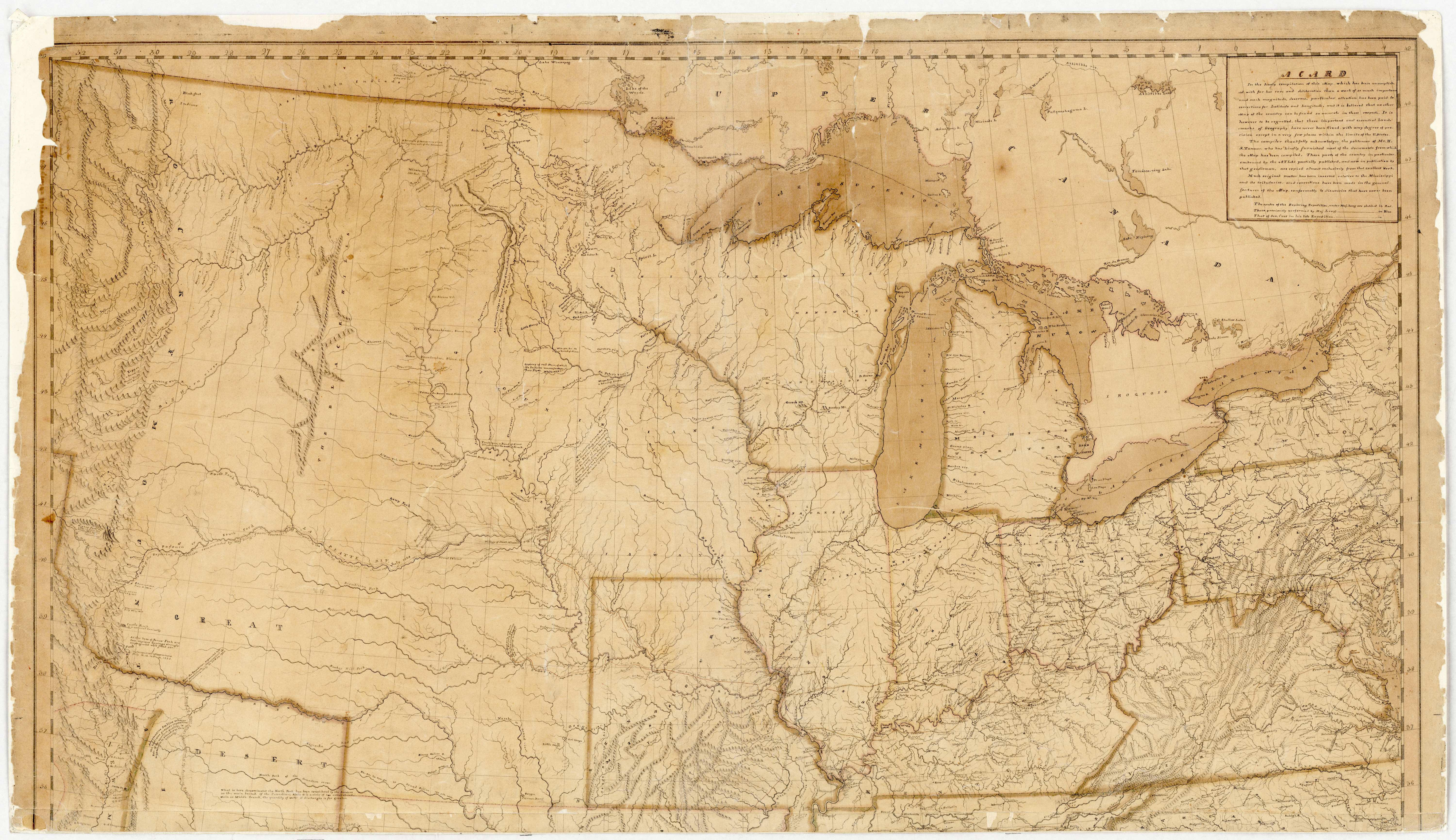
![The map of the Long Expedition. [National Archives and Records Administration, Record Group 77, Records of the Office of the Chief of Engineers]](/sites/default/files/styles/article_header_image/public/2026-02/10.-yellowstone-expedition_0.jpg?itok=zfex7B5J "The map of the Long Expedition. [National Archives and Records Administration, Record Group 77, Records of the Office of the Chief of Engineers]")
The Yellowstone Expedition of 1818–1820 was a military and scientific excursion in which the United States hoped to begin establishing control over the western lands included in the 1803 Louisiana Purchase. After early expeditions led by explorers such as Lewis and Clark and Zebulon Pike, further ventures had been stalled by the War of 1812. Following the war, British fur traders continued to intrude on the western territory, and statesmen ranging from William Clark to James Monroe clamored for a military expedition to assert US sovereignty.
John C. Calhoun, President Monroe’s secretary of war, became the expedition’s architect. His elaborate plan called for military maneuvers on the Mississippi and Missouri Rivers to establish outposts that would build trade relations with Native Americans and discourage further incursions by the British; a scientific expedition was soon added to explore the western plains and mountains via the Missouri River. Collectively, the three-pronged campaign became known as the Yellowstone Expedition after its most ambitious goal: building a fort at the confluence of the Yellowstone and Missouri Rivers, more than two thousand river miles past St. Louis in what is now western North Dakota.
On August 30, 1818, a party of about 350 US soldiers and boat crewmen commanded by Lieutenant Colonel Talbot Chambers left Fort Belle Fontaine, near the Missouri River’s confluence with the Mississippi, to establish an advance camp upriver on the Missouri. In October the flotilla of keelboats reached Cow Island, about where Leavenworth, Kansas, now stands. The advance party constructed winter quarters there and waited for the rest of the expedition.
By March of 1819, command of the Missouri River expedition was in the hands of Colonel Henry Atkinson, who began to gather soldiers at Fort Belle Fontaine. The gathering was delayed, however, by the struggles of the government contractor, James Johnson, to procure sufficient supplies and vessels for a force of roughly eleven hundred men, a giant task for the small US military in the early nineteenth century. Facing cost overruns and inability to meet all the terms of his contract, Johnson became embroiled in controversy and legal troubles that cast the entire expedition in a bad light. Fatefully, with Calhoun’s encouragement, Johnson decided to rely on steamboats, which were still in their infancy and had not yet appeared on the Missouri. Of the five steamboats assembled for the military expedition, only three proved able to ascend the Mississippi River to Fort Belle Fontaine, and they did not arrive there until late spring. Further delays ensued, and although some of the soldiers proceeded up the Missouri in keelboats, the steamboats did not leave the fort until July 5. By then it was too late in the season to travel farther than Council Bluff (near present-day Omaha, Nebraska) before winter.
Encountering a wild river full of submerged trees, shifting sandbars, and swift and treacherous currents, the Missouri River expedition’s three remaining steamboats, the Expedition, the Johnson, and the Jefferson, made slow, backbreaking progress up the Missouri, sometimes stopping for the night in sight of where they had started in the morning. The military passengers frequently had to join the boat crewmen in cordelling, or pulling on ropes from the riverbanks to tow the boats through low water and over sandbars. The silty water also played havoc with the steamboat’s engine boilers, forcing the crews to make frequent stops to unclog them.
With the military expedition slowed to a crawl, two other steamboats preceded it upriver. The Independence, a civilian merchant vessel bound for Franklin in Missouri’s fast-growing Boone’s Lick region, had arrived at Fort Belle Fontaine with the Expedition on May 18, but it departed from the fort several weeks sooner, becoming the first steamboat to travel up the Missouri. The Western Engineer, specially designed by the leader of the scientific expedition, Major Stephen Long, to look like a giant serpent (which, it was naïvely hoped, would awe Native Americans), was next to ascend the river, leaving Fort Belle Fontaine on June 24.
The procession of steamboats was a novel spectacle that Missourians living along the river welcomed with fanfare and celebration. The boats of the military expedition responded to the greetings from shore with cannon salutes and martial music. John Craig Bush, a crewman on the Expedition, wrote in his journals that an elderly Daniel Boone, staying with his daughter and son-in-law at their home in what is now Warren County, came to the riverbank to greet them, dancing along to the music. But not every meeting was friendly; Bush noted as well that in what would soon become Saline County, a settler shot one of the soldiers for foraging in his fields.
As the expedition was passing through the Missouri Territory settlements, the Jefferson became the first steamboat wreck on the river when it foundered near Cote Sans Desseins, a village in what is now Callaway County that was later considered as a site for the new state’s capital, but eventually had to be abandoned due to persistent flooding. The Johnson’s engines gave out a few miles before the mouth of the Kaw or Kansas River (now the site of downtown Kansas City). Its crew, passengers, and cargo were transferred to keelboats. The Expedition made it to Camp Martin, the advance camp at Cow Island, before low water forced it too to be sidelined. The Western Engineer, smaller and more maneuverable, made it to Council Bluff, where the scientific expedition established its winter camp, the Engineer Cantonment, nearby.
Beyond Fort Osage, the white settlements ended and the boats began to encounter Native Americans instead. Despite some incidents in which keelboats were plundered, interactions with such tribes as the Kaws and Otoes were generally peaceful, though Bush wrote of the unease that he and others felt about having them aboard the boats. He also mentioned passing by the sites of abandoned Native villages, as well as the ruins of Fort Cavagnial, a French outpost from 1744 into the 1760s whose exact location is now unknown, but believed to be somewhere to the north of where Fort Leavenworth now stands.
As the Missouri River expedition dragged its way past the future borders of Missouri toward Council Bluff, the Mississippi River expedition made faster progress to its destination, the mouth of the Minnesota River, at present-day St. Paul, Minnesota. Under the command of Colonel Henry Leavenworth, this smaller force, ultimately just under 250 men, mustered at outposts on the Mississippi from Fort Belle Fontaine to Prairie du Chien before boarding the expedition’s keelboats as they headed upriver. Leavenworth’s men reached the confluence of the Minnesota and Mississippi Rivers on August 24 and began constructing a winter camp.
The main camps on the Mississippi and Missouri Rivers endured a lethal winter, as harsh weather and inadequate supplies contributed to widespread sickness and death. Scurvy plagued both Camp Missouri at Council Bluff, where as many as two hundred soldiers died before spring, and the camp at the mouth of the Minnesota, which recorded another forty deaths. The smaller outposts on the Missouri, Camp Martin and the Engineer Cantonment, fared better. But in the halls of government in Washington, sentiments had turned against the Yellowstone Expedition, as the travails of contractor Johnson, the disappointing performance of the steamboats, and, more broadly, the crisis stemming from the Panic of 1819 persuaded Congress to restrict further funding.
In 1820, Long’s scientific expedition ventured into the West along the Platte River into what is now Colorado, reaching Pikes Peak before returning east by following the Arkansas and Canadian Rivers. Though denigrated by some contemporaries and later historians, especially for describing the Plains as a “Great American Desert,” the Long Expedition is also credited with scientific discoveries of numerous fauna and flora, artwork by exhibition members Titian Ramsay Peale and Samuel Seymour that provided easterners with new images of the West, and a map that set the standard for cartographers of the Great Plains for the next several decades.
The Mississippi River expedition, perhaps the most modest of the Yellowstone Expedition’s three components, met its main goal, as the camp in Minnesota began construction on an outpost that became Fort Snelling upon its completion in 1825. But the Missouri River expedition fell short of its highest aspirations. Despite Calhoun’s lofty plans, it never went farther than Council Bluff, where Fort Atkinson arose but was abandoned in 1827. The two remaining steamboats returned downriver in the spring of 1820, though the Expedition came back up the Missouri that summer, when higher water levels allowed it to resupply the men still waiting at Council Bluff. The Yellowstone River, however, would not be reached by steamboat until 1832.
Bush Family Papers. C3887. State Historical Society of Missouri, Columbia Research Center.
Chittenden, Hiram Martin. “The Yellowstone Expedition of 1819–1820.” In Chittenden, The American Fur Trade of the Far West, 2:562–87. 1902; repr., Stanford, CA: Academic Reprints, 1954. Online at Internet Archive.
Harper, Kimberly, and John Brenner, eds. “John C. Bush’s Book of Travels: The Expedition Up the Missouri River, 1819–1820. Part 1, Shippingport, Kentucky, to Fort Osage, Missouri Territory.” Missouri Historical Review 120, no. 1 (October 2025): 43–70. “Part 2, Fort Osage to Council Bluff.” Missouri Historical Review 120, no. 2 (January 2026): 87–107.
Johnson, Sally A. “Cantonment Missouri.” Nebraska History 37 (1956): 121–33.
Jones, Jonathan M. “When Expectations Exceed Reality: The Missouri Expedition of 1819.” Missouri Historical Review 94, no. 3 (April 2000): 241–63.
Lass, William E. Navigating the Missouri: Steamboating on Nature’s Highway, 1819–1935. Norman: University of Oklahoma Press, 2007.
Nichols, Roger L. “Martin Cantonment and American Expansion in the Missouri Valley.” Missouri Historical Review 64, no. 1 (October 1969): 1–17.
Nichols, Roger L., ed. The Missouri Expedition, 1818–1820: The Journal of Surgeon John Gale with Related Documents. Norman: University of Oklahoma Press, 1969.
Nichols, Roger L., and Patrick L. Halley. Stephen Long and American Frontier Exploration. Cranbury, NJ: Associated University Presses, 1980.
Wesley, Edgar B. “A Still Larger View of the So-Called Yellowstone Expedition.” North Dakota Historical Quarterly 5 (July 1931): 219–38.
Published February 4, 2026; Last updated April 30, 2026
Creative Commons Attribution-NonCommerical-ShareAlike 4.0 International (CC BY-NC-SA 4.0)